
Quick Asian Salmon Sheet Pan Dinner
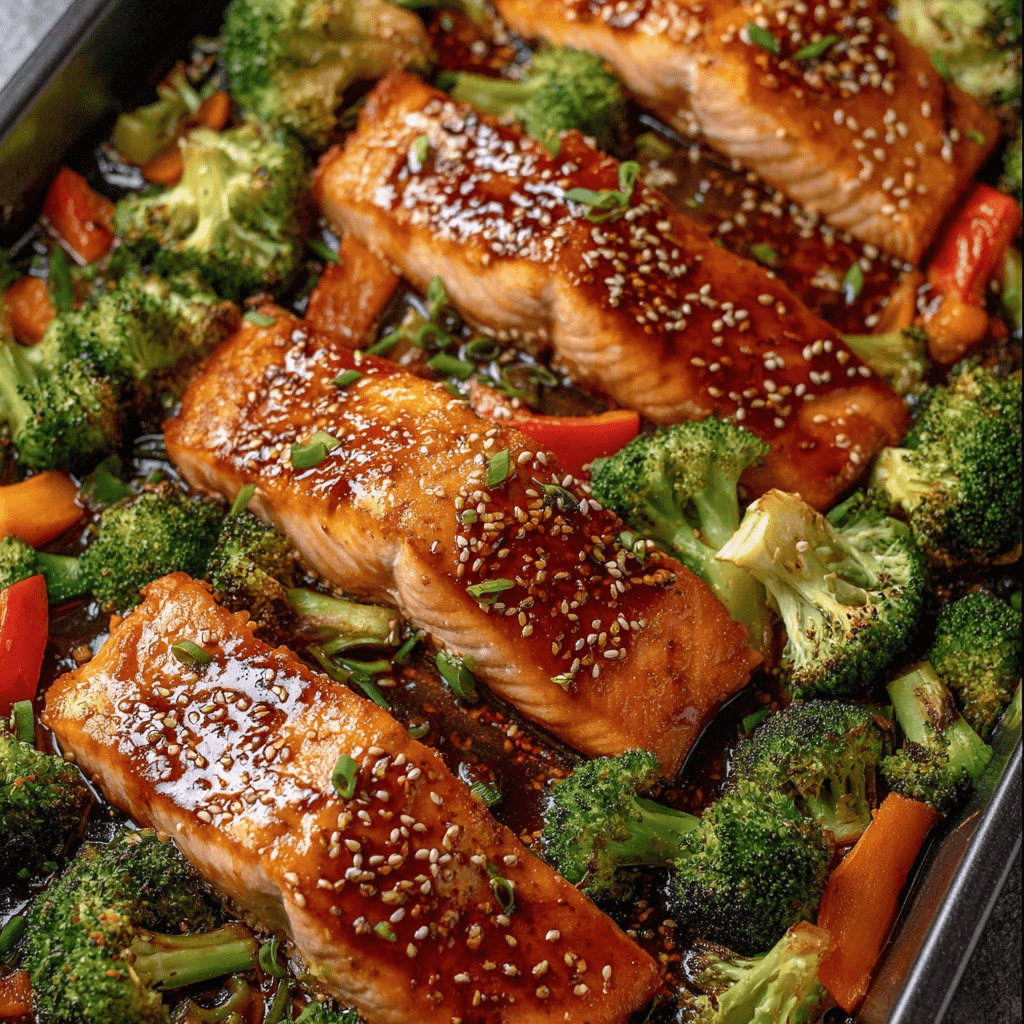
This Asian Salmon Sheet Pan Dinner delivers crisp-edged, flaky salmon and perfectly tender-crisp vegetables, all coated in a savory-sweet glaze. It’s a complete, flavor-packed meal engineered for maximum efficiency with minimal cleanup. If you’re building a repertoire of reliable weeknight meals, explore more of our streamlined dinner recipes.
The Engineering of a Perfect Sheet Pan Dinner
This method is popular for a reason—it’s a masterclass in kitchen efficiency. Here’s the science behind why it works so well.
- High-Heat Roasting: The 400°F (200°C) oven creates a dry, hot environment perfect for the Maillard reaction. This is the chemical process that gives roasted vegetables their deep, savory flavor and delicious brown crust.
- Convection Power: Heat circulates around the food, cooking it evenly and quickly from all sides. This ensures the broccoli gets crispy tips while the salmon cooks through without drying out.
- Staged Cooking: We add the heartier vegetables first, giving them a head start. The quick-cooking salmon is added later, ensuring every component reaches its ideal doneness at the same time.
Glaze Component Breakdown
The Asian-inspired glaze is a balanced system of flavor. Each ingredient has a specific role.
- Soy Sauce (or Tamari): The foundation. Provides umami (savory depth) and salt.
- Honey (or Maple Syrup): Adds sweetness to balance the salt and helps the glaze caramelize under the heat, creating those coveted crispy edges.
- Toasted Sesame Oil: Delivers a deep, nutty, aromatic finish. A little goes a long way.
- Fresh Ginger & Garlic: These are your primary aromatics. They provide a pungent, spicy kick that cuts through the richness of the salmon.
- Rice Vinegar: A crucial acidic element. It brightens the entire dish, preventing the glaze from tasting flat or overly sweet.
STEP-BY-STEP INSTRUCTIONS
- Preheat & Prep: Set your oven to 400°F (200°C). Line a large, rimmed baking sheet with parchment paper for zero-fuss cleanup.
- Prepare Vegetables: Chop broccoli into medium-sized, uniform florets and slice the bell pepper. Uniformity is key for even cooking.
- Toss Vegetables: On the prepared sheet pan, toss the broccoli florets and bell pepper slices with olive oil, salt, and pepper until lightly coated. Spread them into a single, even layer.
- First Roast: Place the pan in the preheated oven and roast for 12-15 minutes. The vegetables should be starting to soften and get slightly browned at the edges.
- Whisk the Glaze: While the vegetables roast, combine soy sauce, honey, minced garlic, grated ginger, sesame oil, and rice vinegar in a small bowl. Whisk until smooth.
- Add the Salmon: Remove the sheet pan from the oven. Push the vegetables to the sides to create space in the center. Place the salmon fillets, skin-side down, in the middle of the pan. Pat the salmon dry with a paper towel.
- Glaze & Return: Brush or spoon about two-thirds of the glaze generously over the salmon fillets and the vegetables.
- Final Roast: Return the pan to the oven and roast for another 10-12 minutes. The salmon is done when it flakes easily with a fork or an instant-read thermometer registers 125-130°F (52-54°C) in the thickest part. For extra caramelization, you can switch to the broiler for the final 1-2 minutes, watching carefully to prevent burning.
- Garnish and Serve: Remove from the oven. Drizzle with the remaining glaze. Garnish with sesame seeds and sliced green onions. Serve immediately.
Customization & Swaps
This recipe is a flexible blueprint. Adjust it based on what you have on hand.
- Vegetable Swaps: Asparagus spears, bok choy halves, snap peas, or green beans are excellent substitutes. Adjust roasting time accordingly (asparagus and snap peas cook faster).
- Protein Alternatives: This glaze is fantastic on shrimp (add for the last 5-6 minutes of cooking) or boneless, skinless chicken thighs (cut into 1-inch pieces and cook for 15-20 minutes). If you enjoy versatile sauces, the principle is similar to what makes this easy cheesy garlic chicken pasta recipe so adaptable.
- Glaze Modifications:
- Add Heat: Whisk in 1-2 teaspoons of sriracha or a pinch of red pepper flakes.
- Add Citrus: A squeeze of fresh lime juice at the end brightens everything up.
Serving & Storage Blueprint
- Serving: This is a complete meal, but it’s best served over a bed of fluffy jasmine rice, quinoa, or soba noodles to soak up any extra glaze.
- Storage: Store leftovers in an airtight container in the refrigerator for up to 3 days. The vegetables will lose some of their crispness but will remain flavorful.
- Reheating: Reheat gently in the microwave at 50% power or in a 300°F oven until just warmed through to avoid overcooking the salmon.
For cooks who love planning, mastering one-pan meals like this is a great starting point. You can explore all our recipes for more weekly inspiration.
COMMON MISTAKES TO AVOID
- Mistake: Crowding the pan. Fix: Use a large enough sheet pan and give the ingredients space. If you’re doubling the recipe, use two pans. Crowding causes food to steam instead of roast, preventing browning and crisping.
- Mistake: Overcooking the salmon. Fix: Salmon cooks quickly. Start checking it at the 8-minute mark. It’s better to pull it out slightly undercooked, as it will continue to cook from residual heat on the hot pan.
- Mistake: Using a thin, cheap baking sheet. Fix: Invest in a heavy-duty, rimmed baking sheet. They distribute heat more evenly and are less likely to warp at high temperatures, ensuring consistent results.
FAQ
Q: Can I use frozen salmon fillets?
A: Yes, but you must thaw them completely first. Pat them very dry with paper towels before placing them on the sheet pan to ensure they roast properly instead of steaming.
Q: How do I know for sure when the salmon is cooked?
A: The most accurate way is with an instant-read thermometer—aim for an internal temperature of 125-130°F (52-54°C) for medium-rare. Visually, the salmon should change from translucent red to opaque pink and flake easily when prodded with a fork.
Q: Can I prepare the glaze in advance?
A: Absolutely. The glaze can be whisked together and stored in an airtight container in the refrigerator for up to 5 days, making assembly even faster on a busy night.
Further Culinary Exploration
Once you’ve mastered this savory sheet pan dinner, consider expanding your skills into baking. A delightful dessert can be the perfect end to any meal. You might enjoy the delicate craft of making classic Hong Kong egg tarts or the simple comfort of a seasonal brown sugar peach cake.
NUTRITIONAL SNAPSHOT
| Nutrient | Amount per Serving |
|---|---|
| Calories | 485 |
| Protein | 42g |
| Fat | 25g |
| Net Carbs | 19g |
| Fiber | 4g |
| Sugar | 14g |
Quick Asian Salmon Sheet Pan Dinner
Ingredients
- 4 (6 oz) salmon fillets, skin on or off
- 1 lb broccoli, cut into florets
- 1 red bell pepper, sliced
- 2 tbsp olive oil
- Salt and freshly ground black pepper to taste
- 1/3 cup low-sodium soy sauce or tamari
- 3 tbsp honey or maple syrup
- 1 tbsp toasted sesame oil
- 2 cloves garlic, minced
- 1 tbsp fresh ginger, grated
- 1 tsp rice vinegar
- 1 tsp sesame seeds
- 2 green onions, thinly sliced