
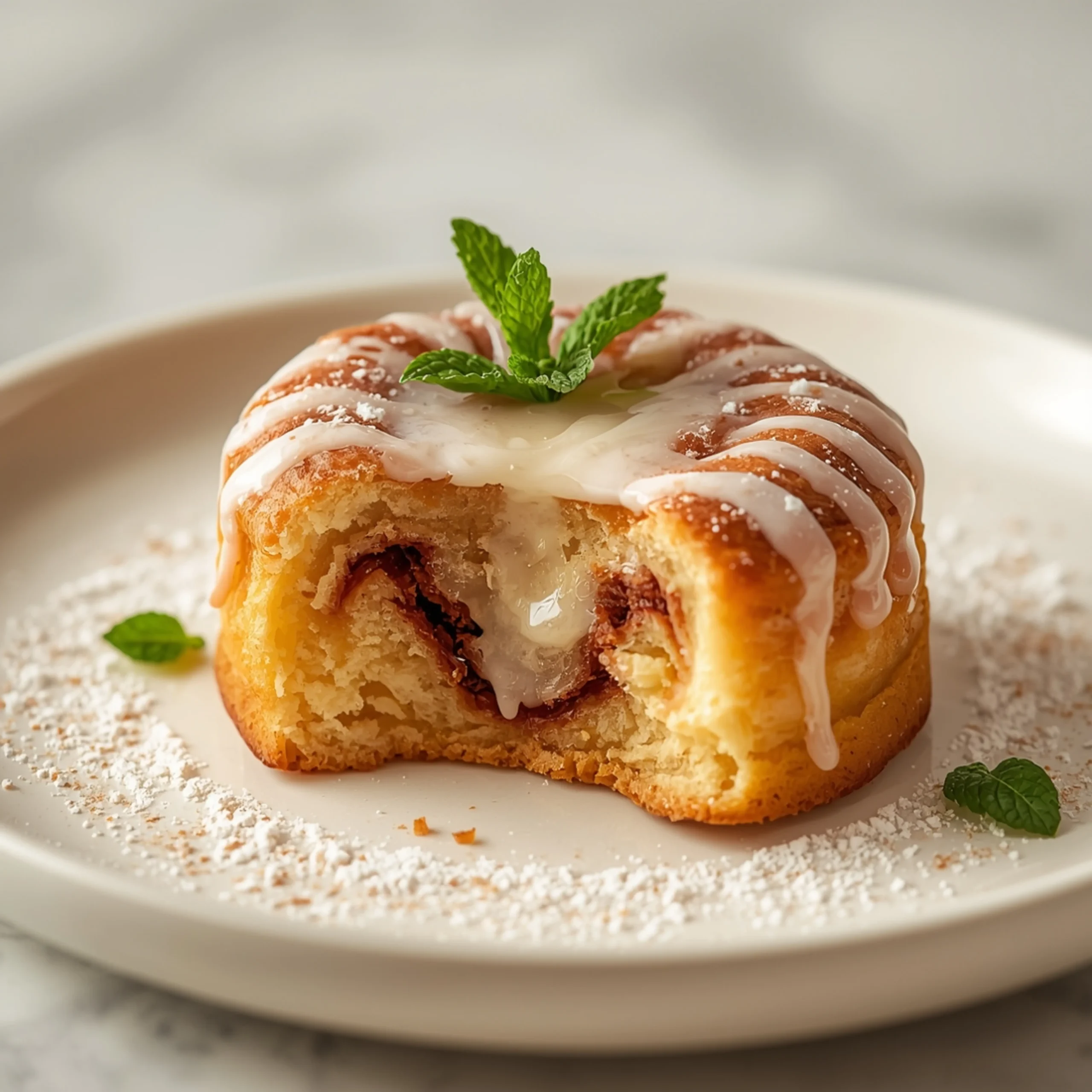
How to Make Remarkably Fluffy Sweet Cinnamon Rolls
These are the sweet cinnamon rolls you’ve been looking for—incredibly soft, gooey, and topped with a rich cream cheese frosting. This guide breaks down the simple science to guarantee a perfect, pillowy texture every time, making it one of the best breakfast recipes you can master. They’re a staple in our collection of comforting desserts for good reason.
The ‘Why’ Behind The Perfect Roll
The magic of a great cinnamon roll isn’t one single thing—it’s the synergy of three key components. Understanding them is the key to consistent success.
- The Dough (The Foundation): We use an enriched dough, meaning it includes fat (butter), sugar, and dairy (milk). This is crucial. Fat shortens gluten strands, creating a tender, soft crumb instead of a chewy, bread-like texture. Using bread flour provides enough structure to hold the roll’s shape without making it tough.
- The Filling (The Gooey Center): The classic combination of butter, brown sugar, and cinnamon melts during baking. The brown sugar contains molasses, which contributes to that signature gooey, almost caramelly texture that pools at the bottom of the roll. Using softened, spreadable butter is non-negotiable for even coverage.
- The Frosting (The Tangy Finish): A simple powdered sugar glaze is fine, but cream cheese frosting is what elevates a good roll to a great one. The tang from the cream cheese cuts through the richness of the dough and the sweetness of the filling, creating a perfectly balanced bite.
Key Ingredient Breakdown
Your ingredients are your building blocks. Using the right ones and preparing them correctly is half the battle.
- Flour: Bread flour is highly recommended. Its higher protein content (12-14%) creates more gluten, giving the rolls a better structure and a satisfying chew while remaining soft. All-purpose flour will work but may yield a slightly cakier texture.
- Yeast: Instant yeast (or rapid-rise yeast) is the most efficient choice. It can be mixed directly with the dry ingredients, simplifying the process. If using active dry yeast, you must proof it in warm milk first.
- Butter: Use unsalted, high-quality butter. This allows you to control the salt level. Ensure it’s at the proper temperature: melted for the dough, very soft for the filling, and softened for the frosting.
- Milk: Whole milk provides the necessary fat for a tender crumb. Heat it to between 110-115°F (43-46°C)—hot enough to activate the yeast but not so hot that it kills it.
Step-by-Step Instructions
- Activate Yeast: In a small bowl, gently warm your milk to about 110°F. Whisk in the sugar and yeast. Let it sit for 5-10 minutes until it becomes foamy. This proves your yeast is alive.
- Combine Ingredients: In the bowl of a stand mixer fitted with the dough hook, combine the bread flour and salt. Pour in the foamy yeast mixture, the melted butter, and the egg.
- Knead the Dough: Mix on low speed until a shaggy dough forms. Increase the speed to medium and knead for 7-8 minutes. The dough should become smooth, elastic, and slightly tacky. It should pull away cleanly from the sides of the bowl.
- First Rise: Lightly grease a large bowl with oil or cooking spray. Form the dough into a ball and place it in the bowl, turning to coat. Cover with plastic wrap or a damp towel and let it rise in a warm, draft-free spot for 60-90 minutes, or until doubled in size.
- Prepare Filling: In a medium bowl, combine the very soft butter, brown sugar, and ground cinnamon. Mix until it forms a smooth, thick paste.
- Roll Out Dough: Gently punch down the risen dough. On a lightly floured surface, roll it out into a large rectangle, approximately 12×18 inches and about 1/4 inch thick.
- Spread Filling: Using an offset spatula, spread the cinnamon-sugar paste evenly over the dough, leaving a 1/2-inch border along one of the long edges.
- Roll & Cut: Starting from the long edge opposite the clean border, roll the dough into a tight log. Pinch the clean border edge to seal the seam. For clean cuts, use unflavored dental floss or a sharp serrated knife to slice the log into 12 even rolls.
- Second Rise: Arrange the rolls cut-side up in a greased 9×13 inch baking pan. Cover loosely and let them rise for another 30-45 minutes until they look puffy and are touching each other. While they rise, preheat your oven to 375°F (190°C). This is a great time to think about savory pairings; a classic German potato salad is an unexpected but delicious brunch companion.
- Bake: Bake for 20-25 minutes, or until the rolls are golden brown and the center of the middle roll registers 190°F (88°C) on an instant-read thermometer.
- Make Frosting: While the rolls bake, beat the softened cream cheese and butter in a medium bowl until smooth and creamy. Beat in the powdered sugar, vanilla extract, and a pinch of salt until fully combined. If it’s too thick, add milk one teaspoon at a time.
- Frost & Serve: Let the rolls cool in the pan for 5-10 minutes. Spread the cream cheese frosting generously over the warm rolls so it melts slightly into the crevices. Serve immediately.
Part 1: The Enriched Dough
Part 2: The Filling & Assembly
Part 3: Baking & Frosting
Make-Ahead & Storage Guide
Proper planning makes cinnamon rolls an easy weekend project.
- Overnight Method (Recommended): After placing the cut rolls in the baking pan (Step 5 in Assembly), cover them tightly with plastic wrap and refrigerate overnight (for up to 18 hours). The next morning, remove the pan from the fridge and let it sit at room temperature for 45-60 minutes to take the chill off while the oven preheats. Bake as directed.
- Storing Baked Rolls: Store leftover frosted rolls in an airtight container at room temperature for up to 2 days or in the refrigerator for up to 5 days.
- Reheating: The best way to reheat a cinnamon roll is in the microwave for 20-30 seconds. This restores its soft, gooey texture.
COMMON MISTAKES TO AVOID
- Mistake: My rolls were tough and dry.
Fix: You likely added too much flour. The dough should be soft and slightly sticky after kneading, not stiff. Measure your flour by spooning it into the measuring cup and leveling it off, don’t scoop directly from the bag. - Mistake: All the filling leaked out and burned on the bottom of the pan.
Fix: Ensure you leave a clean border on one long edge of the dough. When you roll the log, that border is what you’ll pinch to create a tight seal, trapping the filling inside. - Mistake: The dough didn’t rise properly.
Fix: Your yeast may have been old, or your milk was too hot. Always check the expiration date on your yeast. Use a thermometer to ensure your milk is between 110-115°F (43-46°C) to activate the yeast without killing it.
FAQ
Q: Can I use active dry yeast instead of instant yeast?
A: Yes. Use the same amount, but you must activate it first. Add it to the warm milk and sugar mixture and let it stand for 5-10 minutes until it’s foamy before adding it to the dry ingredients.
Q: How do I know when the cinnamon rolls are perfectly baked?
A: The most reliable method is using a digital thermometer. The center of the rolls should read 190°F (88°C). Visually, they should be a consistent golden brown across the top, not pale.
Q: What’s the best way to get even-sized rolls?
A: Use unflavored dental floss. Slide a long piece under the log, bring the ends up, cross them over the top, and pull. It creates a perfectly clean cut without squishing the roll. For a different but equally clever use of sweet dough, check out this recipe for Hawaiian roll french toast.
NUTRITIONAL SNAPSHOT
| Nutrient | Amount per Serving |
|---|---|
| Calories | 480 kcal |
| Protein | 7g |
| Fat | 22g |
| Net Carbs | 62g |
| Fiber | 2g |
| Sugar | 35g |
Disclaimer: These are estimates and can vary based on specific ingredients used.
For those looking to round out a holiday baking list, these cinnamon rolls are a perfect brunch centerpiece, while a showstopper like this peppermint bark cheesecake recipe makes an ideal evening dessert.
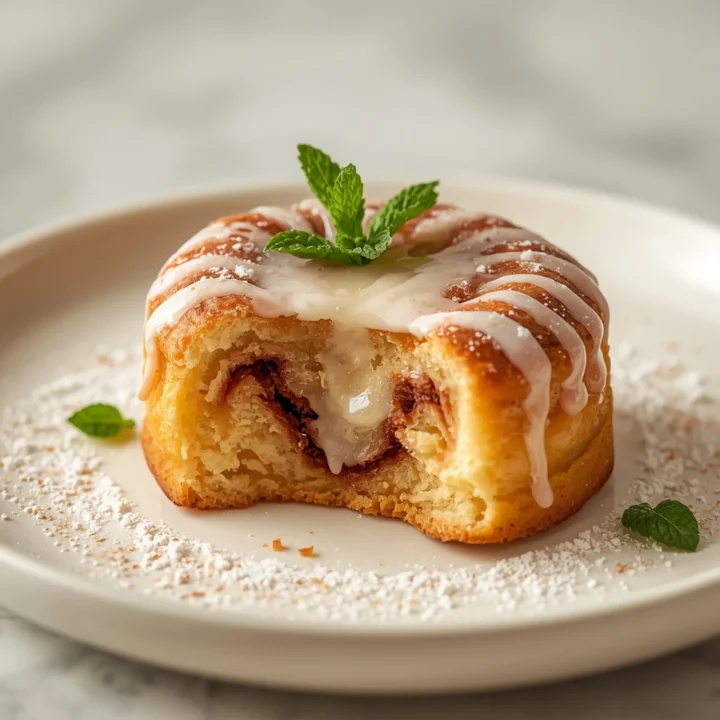
How to Make Remarkably Fluffy Sweet Cinnamon Rolls
These are the sweet cinnamon rolls you’ve been looking for—incredibly soft, gooey, and topped with a rich cream cheese frosting. This guide breaks down the simple science to guarantee a perfect, pillowy texture every time, making it one of the best breakfast recipes you can master. They're a staple in our collection of comforting desserts for good reason.
Ingredients
- 1 cup whole milk (lukewarm)
- 2 1/4 tsp instant yeast (1 packet)
- 1/4 cup granulated sugar
- 1 large egg (room temperature)
- 1/4 cup unsalted butter (melted)
- 4 cups bread flour
- 1 tsp salt
- 1/2 cup unsalted butter (very soft)
- 1 cup packed brown sugar
- 2 tbsp ground cinnamon
- 4 oz cream cheese (softened)
- 1/4 cup unsalted butter (softened)
- 1 1/2 cups powdered sugar
- 1/2 tsp vanilla extract
- 1-2 tbsp milk (as needed)
- pinch of salt
Instructions
- In a small bowl, gently warm your milk to about 110°F. Whisk in the sugar and yeast. Let it sit for 5-10 minutes until it becomes foamy. This proves your yeast is alive.
- In the bowl of a stand mixer fitted with the dough hook, combine the bread flour and salt. Pour in the foamy yeast mixture, the melted butter, and the egg.
- Mix on low speed until a shaggy dough forms. Increase the speed to medium and knead for 7-8 minutes. The dough should become smooth, elastic, and slightly tacky. It should pull away cleanly from the sides of the bowl.
- Lightly grease a large bowl with oil or cooking spray. Form the dough into a ball and place it in the bowl, turning to coat. Cover with plastic wrap or a damp towel and let it rise in a warm, draft-free spot for 60-90 minutes, or until doubled in size.
- In a medium bowl, combine the very soft butter, brown sugar, and ground cinnamon. Mix until it forms a smooth, thick paste.
- Gently punch down the risen dough. On a lightly floured surface, roll it out into a large rectangle, approximately 12x18 inches and about 1/4 inch thick.
- Using an offset spatula, spread the cinnamon-sugar paste evenly over the dough, leaving a 1/2-inch border along one of the long edges.
- Starting from the long edge opposite the clean border, roll the dough into a tight log. Pinch the clean border edge to seal the seam. For clean cuts, use unflavored dental floss or a sharp serrated knife to slice the log into 12 even rolls.
- Arrange the rolls cut-side up in a greased 9x13 inch baking pan. Cover loosely and let them rise for another 30-45 minutes until they look puffy and are touching each other. While they rise, preheat your oven to 375°F (190°C).
- Bake for 20-25 minutes, or until the rolls are golden brown and the center of the middle roll registers 190°F (88°C) on an instant-read thermometer.
- While the rolls bake, beat the softened cream cheese and butter in a medium bowl until smooth and creamy. Beat in the powdered sugar, vanilla extract, and a pinch of salt until fully combined. If it's too thick, add milk one teaspoon at a time.
- Let the rolls cool in the pan for 5-10 minutes. Spread the cream cheese frosting generously over the warm rolls so it melts slightly into the crevices. Serve immediately.