
Vibrant Rhubarb Ginger Crème Brûlée Recipe
The satisfying crackle of a caramelized sugar crust giving way to a cool, silky custard is pure culinary magic. This recipe elevates the classic with a sharp, tangy rhubarb compote and a warming hint of fresh ginger, creating a perfectly balanced and unforgettable dessert. It’s one of the most impressive Desserts you can make with minimal, high-impact ingredients.
STEP-BY-STEP INSTRUCTIONS
Phase 1: Rhubarb-Ginger Compote
- Prep: Finely dice 1 cup of fresh pink rhubarb. Grate 1 tablespoon of fresh ginger.
- Cook: In a small saucepan, combine the diced rhubarb, grated ginger, 3 tablespoons of sugar, and 1 tablespoon of water.
- Simmer: Cook over medium-low heat, stirring occasionally, for 8-10 minutes. The rhubarb should break down into a thick, jam-like compote.
- Cool: Remove from heat and let it cool completely. Once cool, divide the compote evenly among four 6-ounce ramekins.
Phase 2: Ginger-Infused Custard
- Preheat: Position a rack in the middle of the oven and preheat to 325°F (163°C).
- Infuse Cream: In a medium saucepan, combine 2 cups of heavy cream and 1-inch of peeled, thinly sliced ginger. Heat over medium heat until it just begins to simmer around the edges. Do not boil. Remove from heat, cover, and let it steep for 15 minutes to infuse the ginger flavor.
- Strain: Remove the ginger slices from the cream using a slotted spoon or by pouring the cream through a fine-mesh sieve.
- Mix Yolks: In a separate medium bowl, whisk 5 large egg yolks and ½ cup of granulated sugar until pale and slightly thickened, about 2 minutes.
- Temper: While whisking constantly, very slowly drizzle about half of the warm cream into the egg yolk mixture. This is called tempering; it gently raises the temperature of the yolks without scrambling them.
- Combine: Pour the tempered egg mixture back into the saucepan with the remaining cream. Whisk in a pinch of salt and 1 teaspoon of vanilla extract.
- Fill Ramekins: Carefully pour the custard mixture over the rhubarb compote in each ramekin.
Phase 3: Baking & Chilling
- Prepare Water Bath (Bain-Marie): Place the filled ramekins in a high-sided baking dish or roasting pan. Bring a kettle of water to a boil. Carefully pour the hot water into the pan until it reaches halfway up the sides of the ramekins.
- Bake: Bake for 30-35 minutes. The custards are done when the edges are set, but the centers still have a slight jiggle (like Jell-O).
- Cool: Carefully remove the ramekins from the water bath and place them on a wire rack to cool to room temperature.
- Chill: Cover each ramekin with plastic wrap and refrigerate for at least 4 hours, or preferably overnight. The custard must be completely cold before torching.
Phase 4: The Brûlée
- Sugar Topping: Just before serving, blot any condensation from the top of the custards with a paper towel. Sprinkle 1-2 teaspoons of sugar evenly over the surface of each custard.
- Torch: Using a culinary torch, hold the flame about 2-3 inches from the sugar. Move the torch continuously in a circular motion until the sugar melts, bubbles, and turns a deep amber brown.
- Rest & Serve: Let the crème brûlée sit for 2-3 minutes to allow the caramelized sugar to harden into a glass-like crust. Serve immediately.
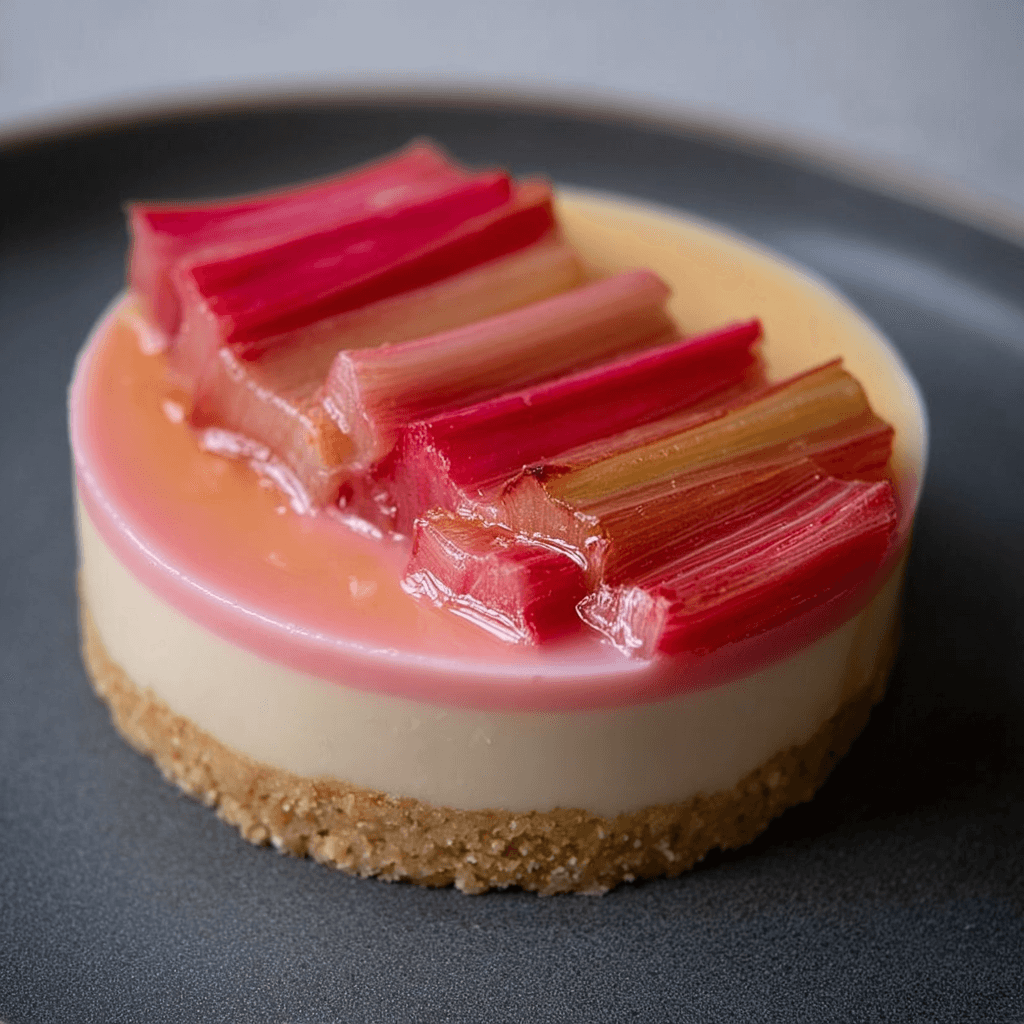
Mastering the Two Pillars of Crème Brûlée
Success with this dish hinges on two key elements: the custard’s texture and the crust’s crackle. Here’s the engineering behind each.
The Silky Custard
The goal is a texture that is rich and firm but not rubbery.
- Tempering is Non-Negotiable: Pouring hot cream directly into yolks will create sweet scrambled eggs. The slow drizzle method gently acclimates the yolks to the heat, ensuring a smooth emulsion.
- The Water Bath is Your Insurance: A bain-marie provides gentle, even heat. It prevents the outside of the custard from overcooking before the inside is set, eliminating curdling and ensuring a uniform, delicate texture.
- The “Jiggle” Test: Do not overbake. The residual heat will continue to cook the custard as it cools. Look for set edges and a wobbly center.
The Perfect Sugar Crust
This is the dramatic finale. It should be thin, brittle, and shatter easily.
- Dry Surface: Any moisture on the custard will turn the sugar into syrup instead of a hard crust. Always blot the surface before adding sugar.
- Even Sugar Layer: A thin, even layer is key. Too little sugar won’t create a crust, while too much will be overly thick and difficult to crack.
- Torch Technique: Keep the torch moving. Lingering in one spot will burn the sugar before the rest has melted. The goal is an even, amber caramelization.
The Science of Flavor: Why Rhubarb and Ginger Work
This isn’t just a random pairing; it’s a culinary masterclass in balance.
- Rhubarb’s Acidity: Rhubarb is packed with malic acid, giving it a bright, sour tang. This acidity cuts through the intense richness of the egg yolk and heavy cream custard, preventing the dessert from feeling heavy or cloying.
- Ginger’s Pungency: The key compound in ginger is gingerol, which provides that signature warm, spicy kick. It adds a layer of aromatic complexity that complements the tart fruit and the sweet, creamy base. Together, they create a dynamic flavor profile: Rich > Tangy > Warm.
This idea of balancing rich, savory, and aromatic elements is a cornerstone of great cooking. If you enjoy building these kinds of complex flavor profiles, you’ll see similar principles at play in dishes like a savory Korean-style beef rice bowl.
Make-Ahead & Storage Strategy
Crème brûlée is an ideal dessert for entertaining because the majority of the work is done in advance. Planning ahead is a great way to make all your Dinner party recipes feel effortless.
- Up to 3 Days Ahead: The custards (baked and cooled, without the sugar topping) can be made up to 3 days in advance.
- Storage: Keep them tightly covered with plastic wrap in the refrigerator. The plastic should touch the surface of the custard to prevent a skin from forming.
- The Golden Rule: Do NOT torch the top until the moment you plan to serve it. The caramelized sugar will absorb moisture from the custard and the air, turning into a weepy, syrupy mess within an hour. The magic is in the contrast between the cold custard and the freshly hardened warm crust.
COMMON MISTAKES TO AVOID
- Mistake: Scrambled bits in your custard.
Fix: You added the hot cream to the yolks too quickly. Tempering must be a slow, steady drizzle while whisking constantly. Strain your custard base through a fine-mesh sieve before baking to catch any cooked egg bits for a perfectly smooth texture. - Mistake: A watery, unset custard after chilling.
Fix: The custard was underbaked. The “jiggle” should be subtle, like set Jell-O, not sloshy or liquidy. If you’re unsure, bake for another 3-5 minutes. A water bath is essential to prevent this. - Mistake: The sugar crust won’t harden or turns to syrup.
Fix: This is a moisture problem. Either the custard surface was wet before adding sugar, or it was torched too far in advance. Always blot the custard dry and torch immediately before serving.
FAQ
Q: Can I make this without a culinary torch?
A: Yes, you can use your oven’s broiler. Place the sugared, chilled custards on a baking sheet and position them 2-4 inches from the broiler element. Broil for 1-3 minutes, watching constantly as the sugar can burn in seconds. This method is less precise and heats the custard more, but it works in a pinch.
Q: Why isn’t my rhubarb bright pink?
A: Rhubarb color varies by variety and stalk maturity, ranging from deep ruby red to speckled pink and even mostly green. The color does not impact the flavor. Forced rhubarb, grown in the dark, is often the most vibrantly pink.
Q: Can I use frozen rhubarb?
A: Absolutely. Thaw it first and drain any excess liquid before making the compote. You may need to reduce the cooking time slightly as it will break down faster than fresh rhubarb. For other unique flavor combinations in both sweet and savory dishes, explore this Poke Bowl with Seared Salmon or these beautiful Coconut Cream Tartlets.
NUTRITIONAL SNAPSHOT
| Nutrient | Amount per Serving |
|---|---|
| Calories | 410 kcal |
| Protein | 7g |
| Fat | 34g |
| Net Carbs | 20g |
| Fiber | 1g |
| Sugar | 18g |
Vibrant Rhubarb Ginger Crème Brûlée Recipe
Ingredients
- 1 cup finely diced rhubarb
- 3 tbsp granulated sugar
- 1 tbsp grated fresh ginger
- 1 tbsp water
- 2 cups heavy cream
- 1-inch piece peeled, thinly sliced fresh ginger
- 5 large egg yolks
- ½ cup granulated sugar
- 1 tsp vanilla extract
- a pinch of salt
- 4-8 tsp granulated or turbinado sugar (for topping)