
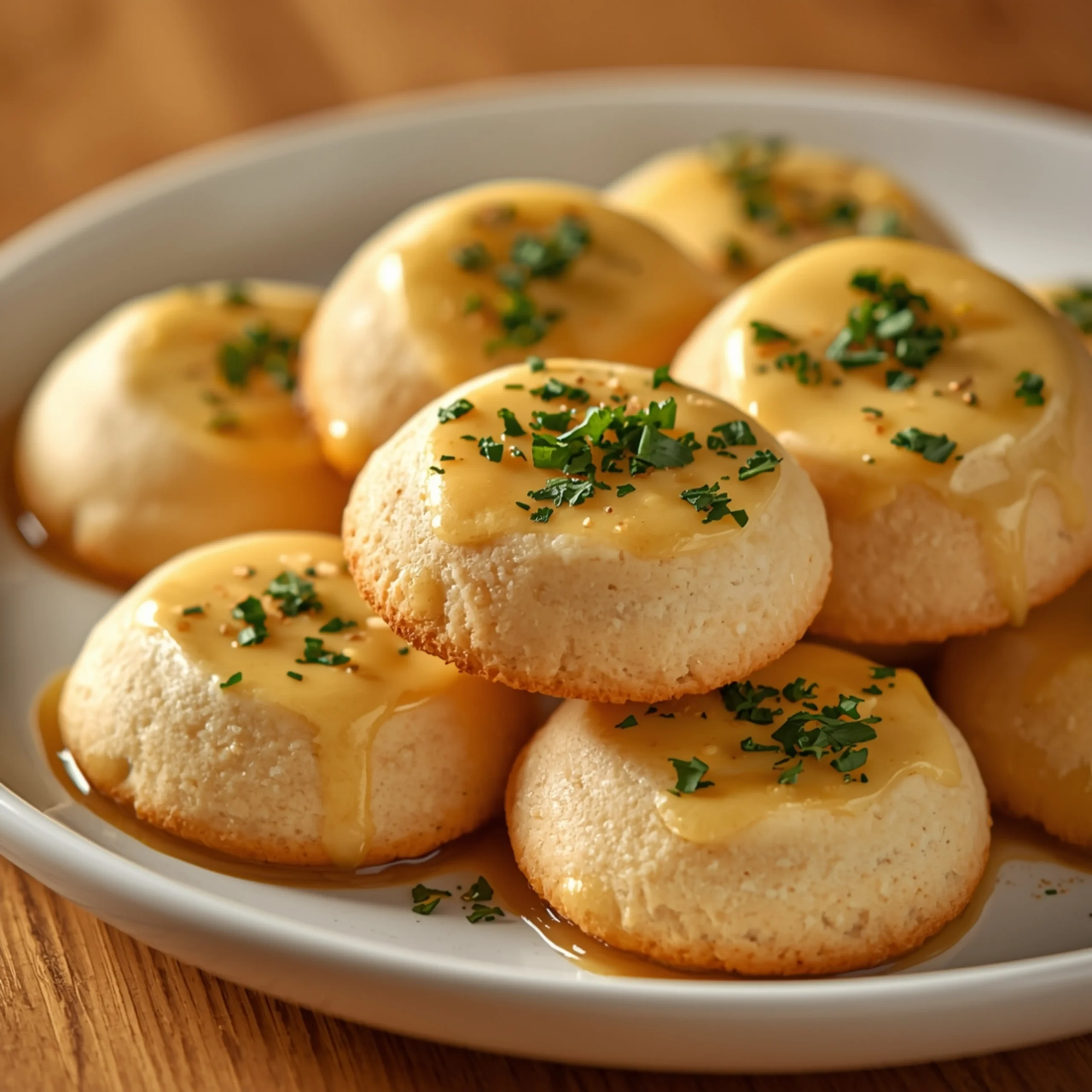
The Fail-Proof Method for Perfectly Soft Sugar Cookies
These aren’t your average sugar cookies. This recipe is engineered for a soft, thick, melt-in-your-mouth texture that holds its shape, making it the perfect canvas for frosting. It’s a staple in my kitchen and one of the most popular recipes in my desserts collection.
The Science of Softness: Key Ingredient Breakdown
The difference between a crisp, flat cookie and a soft, pillowy one comes down to a few key components. Understanding their function is the first step to mastering the bake.
- Cornstarch: This is the secret weapon. Cornstarch interferes with gluten formation in the all-purpose flour, resulting in a more tender, less tough crumb.
- Cream of Tartar: This acid reacts with baking soda (in the baking powder) for leavening, but its primary role here is to prevent sugar from crystallizing, which keeps the cookies incredibly soft and chewy.
- Cold Ingredients: Using properly softened (not melted) butter and cold eggs is crucial. Melted butter leads to greasy cookies that spread too much. Softened butter creates air pockets when creamed with sugar, providing lift and a cake-like structure.
- The Extra Egg Yolk: While a whole egg provides structure and leavening, the additional yolk adds fat and moisture. This creates a richer flavor and a much chewier texture.
Essential Tools for Cookie Perfection
You don’t need a professional kitchen, but these tools will guarantee consistent results.
- Stand Mixer with a paddle attachment (or a hand mixer)
- Light-Colored Baking Sheets: Dark pans absorb more heat and can lead to burnt bottoms.
- Parchment Paper or Silicone Mats: Prevents sticking and promotes even baking.
- Rolling Pin: An adjustable one with thickness guides is ideal for perfectly even cookies.
- Cookie Cutters: Any shape you like.
- Offset Spatula: For flawless frosting application.
STEP-BY-STEP INSTRUCTIONS
This process is broken down into three phases: Dough, Baking, and Frosting. Follow them precisely for optimal results.
Phase 1: Mixing the Dough
- Whisk Dry Ingredients: In a medium bowl, whisk together the all-purpose flour, cornstarch, baking powder, cream of tartar, and salt. Set aside.
- Cream Butter & Sugar: In the bowl of a stand mixer, beat the softened unsalted butter and granulated sugar on medium-high speed for 2-3 minutes, until light and fluffy. Scrape down the sides of the bowl as needed.
- Add Wet Ingredients: Add the egg, egg yolk, and vanilla extract. Mix on medium speed until just combined.
- Combine: Reduce the mixer speed to low and slowly add the dry ingredient mixture in two or three additions. Mix only until the flour is just incorporated. Do not overmix.
- Form & Chill (Critical Step): Remove the dough, form it into two flat discs, and wrap each tightly in plastic wrap. Refrigerate for at least 2 hours, or up to 3 days. This step is non-negotiable for preventing spread.
Phase 2: Rolling & Baking
- Preheat & Prep: Preheat your oven to 375°F (190°C). Line two baking sheets with parchment paper.
- Roll Dough: Lightly flour a work surface. Unwrap one disc of chilled dough and roll it out to a 1/4-inch thickness.
- Cut Shapes: Cut out your desired shapes and transfer them to the prepared baking sheets, leaving about 1.5 inches between each cookie.
- Bake: Bake for 9-11 minutes. The centers should look soft and slightly underdone, and the edges should be just barely light golden. Do not overbake.
- Cool: Let the cookies cool on the baking sheet for 5 minutes before transferring them to a wire rack to cool completely. Cookies must be 100% cool before frosting.
Phase 3: Frosting & Decorating
- Beat Butter: In a large bowl with a hand mixer or stand mixer, beat the softened butter until creamy (about 1 minute).
- Add Sugar & Vanilla: Add the powdered sugar and vanilla extract. Mix on low speed until combined, then increase to medium-high and beat for 2 minutes until smooth.
- Adjust Consistency: Add the milk or cream, one tablespoon at a time, until you reach your desired spreading consistency. For coloring, add gel food coloring now.
- Decorate: Use an offset spatula or knife to frost the completely cooled cookies. Add sprinkles immediately before the frosting sets.
Make-Ahead & Storage Blueprint
This is one of the many recipes that works beautifully with a little planning.
- Dough: Can be made and refrigerated for up to 3 days. You can also freeze the dough discs for up to 3 months. Thaw in the refrigerator overnight before rolling.
- Unfrosted Cookies: Store in an airtight container at room temperature for up to 1 week. They also freeze exceptionally well for up to 3 months.
- Frosted Cookies: Store in a single layer in an airtight container at room temperature for up to 3 days.
Serving Suggestions
These cookies are a standout on their own, but they truly shine as part of a larger celebration.
- Holiday Platters: The perfect centerpiece for Christmas, Easter, or Valentine’s Day cookie trays.
- Decorating Parties: Bake the cookies ahead of time and set up a frosting and sprinkle station for a fun activity with kids or friends.
- A Sweet Finish: While these cookies make a fantastic dessert, a well-rounded meal is always a delight. For a light and savory main course before you indulge, consider a dish like Garlic Shrimp and Zucchini Noodles to balance out the sweetness.
COMMON MISTAKES TO AVOID
-
Mistake: Using melted or overly soft butter.
Fix: Ensure your butter is softened but still cool to the touch. If you press it, your finger should make an indent, but not go straight through. This is key for the creaming process. -
Mistake: Skipping the chilling time.
Fix: Do not skip this step. Chilling solidifies the fat in the butter. Cold fat melts slower in the oven, meaning your cookies will hold their shape instead of spreading into thin crisps. -
Mistake: Over-baking the cookies.
Fix: Pull the cookies from the oven when the centers look puffy and slightly underdone. They will continue to bake from the residual heat of the pan. This is the secret to a soft center.
FAQ
Q: Can I use salted butter instead of unsalted?
A: Yes, but you should reduce the added salt in the recipe by 1/4 teaspoon to avoid overly salty cookies. Unsalted butter is preferred for better control over the final flavor.
Q: Why did my cookies spread so much?
A: This is almost always due to dough that isn’t cold enough, or using butter that was too soft or melted. Ensure you chill the dough for at least 2 hours and that your cut-out shapes are cold before they go into the hot oven.
Q: My frosting is too thick/thin. How do I fix it?
A: It’s an easy fix! If it’s too thick, add milk or cream, a teaspoon at a time, until it’s spreadable. If it’s too thin, add more powdered sugar, a few tablespoons at a time, until it thickens up.
For more ambitious main course ideas to pair with your baking adventures, a recipe like Bratwurst in Beer can be a fun project for another day.
NUTRITIONAL SNAPSHOT
| Nutrient | Amount per Serving |
|---|---|
| Calories | 215 kcal |
| Protein | 2g |
| Fat | 11g |
| Net Carbs | 27g |
| Fiber | 0.5g |
| Sugar | 18g |
Estimates are for one frosted cookie and will vary based on size and thickness.
The Fail-Proof Method for Perfectly Soft Sugar Cookies
These aren't your average sugar cookies. This recipe is engineered for a soft, thick, melt-in-your-mouth texture that holds its shape, making it the perfect canvas for frosting. It’s a staple in my kitchen and one of the most popular recipes in my desserts collection.
Ingredients
- 3 cups (360g) All-Purpose Flour
- 1/2 cup (60g) Cornstarch
- 1 1/2 tsp Baking Powder
- 1/2 tsp Cream of Tartar
- 1/2 tsp Salt
- 1 cup (226g) Unsalted Butter, softened
- 1 1/4 cups (250g) Granulated Sugar
- 1 large Egg, room temperature
- 1 large Egg Yolk, room temperature
- 2 tsp Vanilla Extract
- 1/2 cup (113g) Unsalted Butter, softened
- 2 cups (240g) Powdered Sugar
- 1 tsp Vanilla Extract
- 2-3 tbsp Milk or Heavy Cream
- Pinch of salt
Instructions
- In a medium bowl, whisk together the all-purpose flour, cornstarch, baking powder, cream of tartar, and salt. Set aside.
- In the bowl of a stand mixer, beat the softened unsalted butter and granulated sugar on medium-high speed for 2-3 minutes, until light and fluffy. Scrape down the sides of the bowl as needed.
- Add the egg, egg yolk, and vanilla extract. Mix on medium speed until just combined.
- Reduce the mixer speed to low and slowly add the dry ingredient mixture in two or three additions. Mix only until the flour is just incorporated. Do not overmix.
- Remove the dough, form it into two flat discs, and wrap each tightly in plastic wrap. Refrigerate for at least 2 hours, or up to 3 days. This step is non-negotiable for preventing spread.
- Preheat your oven to 375°F (190°C). Line two baking sheets with parchment paper.
- Lightly flour a work surface. Unwrap one disc of chilled dough and roll it out to a 1/4-inch thickness.
- Cut out your desired shapes and transfer them to the prepared baking sheets, leaving about 1.5 inches between each cookie.
- Bake for 9-11 minutes. The centers should look soft and slightly underdone, and the edges should be just barely light golden. Do not overbake.
- Let the cookies cool on the baking sheet for 5 minutes before transferring them to a wire rack to cool completely. Cookies must be 100% cool before frosting.
- In a large bowl with a hand mixer or stand mixer, beat the softened butter until creamy (about 1 minute).
- Add the powdered sugar and vanilla extract. Mix on low speed until combined, then increase to medium-high and beat for 2 minutes until smooth.
- Add the milk or cream, one tablespoon at a time, until you reach your desired spreading consistency. For coloring, add gel food coloring now.
- Use an offset spatula or knife to frost the completely cooled cookies. Add sprinkles immediately before the frosting sets.