
How to Make Remarkably Fluffy Sweet Cinnamon Rolls
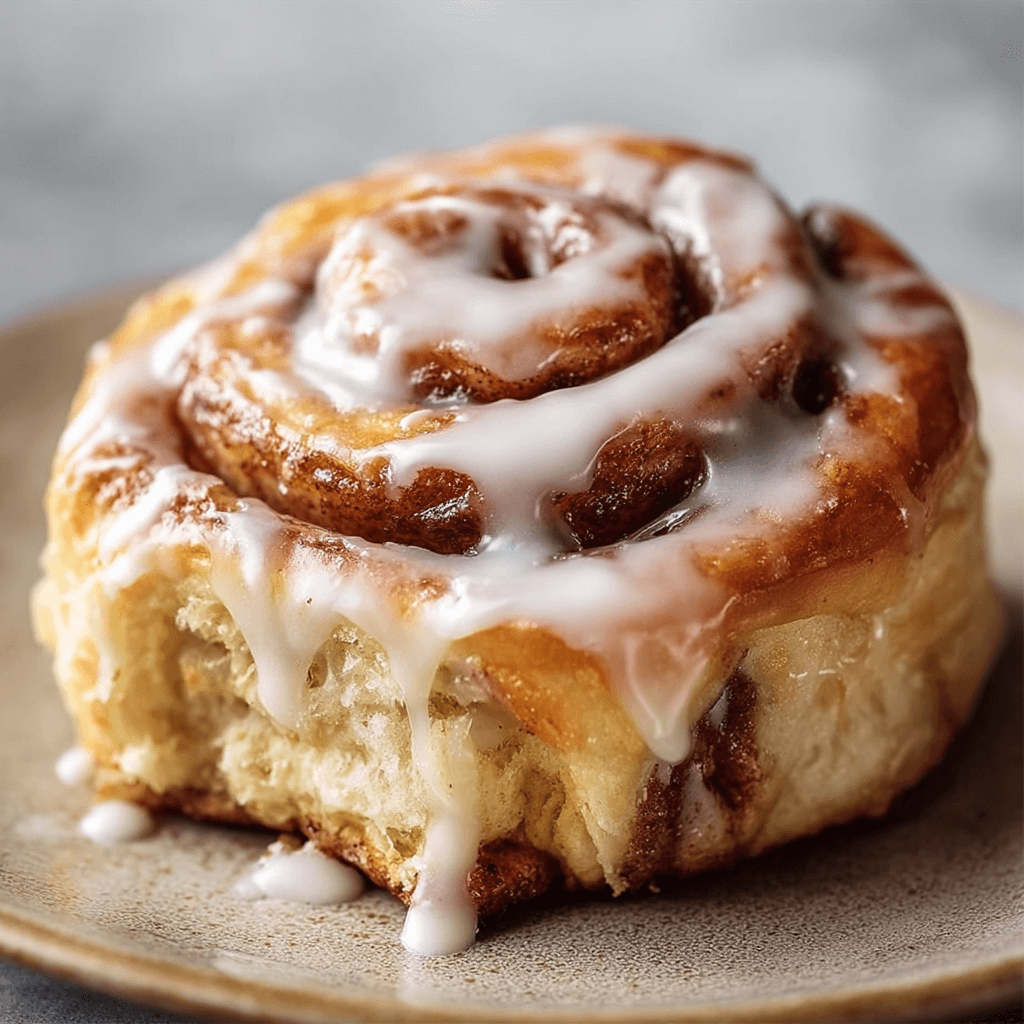
There’s nothing quite like the aroma of warm, gooey cinnamon rolls filling your kitchen. This guide breaks down the process for creating incredibly soft, bakery-quality rolls every time. While this is the master recipe for classic, remarkably fluffy sweet cinnamon rolls, it’s also the perfect base for more adventurous flavors like decadent Biscoff Cinnamon Rolls.
The Anatomy of a Perfect Cinnamon Roll
A truly great cinnamon roll is a balance of three critical components. Mastering each one is the key to success.
- The Dough: The foundation must be soft, rich, and tender. We use an enriched dough, similar to brioche, which incorporates milk, eggs, and butter for a melt-in-your-mouth texture that stays soft for days.
- The Filling: The swirl should be a buttery, sweet, and intensely spiced layer of brown sugar and cinnamon. The key is using softened—not melted—butter to create a distinct, mess-free swirl that doesn’t leak during baking.
- The Frosting: A simple, sweet cream cheese frosting provides the perfect tangy contrast to the warm spice of the roll. It should be thick enough to coat but soft enough to melt slightly into the warm crevices.
Dough Deep Dive: The Science of Softness
Understanding your ingredients is the fastest way to improve your baking. An enriched dough isn’t complicated; it just relies on a few key players to create its signature texture.
- Whole Milk: The fat content in whole milk adds richness and tenderizes the gluten structure, preventing the rolls from becoming tough or chewy.
- Unsalted Butter: Fat is flavor, but it also coats the flour proteins, shortening gluten strands. This results in a softer, more cake-like crumb.
- Eggs: Eggs contribute fat (from the yolk) and protein (from the white), adding structure, color, and richness to the final product.
- Active Dry Yeast: This living organism consumes sugar and releases carbon dioxide gas, which gets trapped in the gluten network, causing the dough to rise and creating its light, airy texture.
STEP-BY-STEP INSTRUCTIONS
Part 1: Activating the Yeast & Making the Dough
- Activate Yeast: In the bowl of a stand mixer, gently whisk together the warm milk, 1 tablespoon of sugar, and the yeast. Let it sit for 5-10 minutes until it becomes foamy. This proves your yeast is alive.
- Combine Ingredients: Add the remaining sugar, softened butter, eggs, and salt to the yeast mixture. Attach the dough hook and mix on low speed until combined.
- Add Flour: Gradually add the flour, one cup at a time, mixing on low speed until a shaggy dough forms.
- Knead: Increase the speed to medium-low and knead for 8-10 minutes. The dough should become smooth, elastic, and pull away from the sides of the bowl. It will be slightly sticky to the touch.
Part 2: The First Rise
- Prepare for Rising: Lightly grease a large bowl with oil or cooking spray. Form the dough into a ball and place it in the bowl, turning it once to coat.
- Proof the Dough: Cover the bowl with plastic wrap or a damp towel. Place it in a warm, draft-free spot for 60-90 minutes, or until the dough has doubled in size.
Part 3: Assembling the Rolls
- Prepare Filling: While the dough rises, mix the brown sugar and cinnamon in a small bowl. Ensure your 1/2 cup of butter for the filling is very soft and spreadable.
- Roll Out Dough: Turn the risen dough out onto a lightly floured surface. Gently press it down to release the air, then roll it into a large rectangle, approximately 12×18 inches.
- Add Filling: Spread the softened butter evenly over the dough, leaving a small 1/2-inch border along one of the long edges. Sprinkle the cinnamon-sugar mixture evenly over the butter.
- Roll and Cut: Starting from the long edge opposite the clean border, roll the dough into a tight log. Pinch the seam to seal it. Using unscented dental floss or a very sharp serrated knife, cut the log into 12 even rolls.
Part 4: The Second Rise & Baking
- Arrange Rolls: Place the cut rolls into a greased 9×13 inch baking pan.
- Proof Again: Cover the pan loosely with plastic wrap and let the rolls rise in a warm place for another 30-45 minutes, until they look puffy and are touching each other.
- Preheat & Bake: While the rolls are rising, preheat your oven to 375°F (190°C). Bake the risen rolls for 20-25 minutes, until they are golden brown and the center roll is cooked through.
Part 5: Frosting the Rolls
- Make Frosting: While the rolls bake, beat the softened cream cheese and butter together in a medium bowl until smooth. Add the powdered sugar and vanilla extract, mixing until creamy. If it’s too thick, add a splash of milk.
- Frost: Let the rolls cool for 5-10 minutes before spreading the frosting over the top, allowing it to melt slightly into the warm rolls.
Flavor Variations & Customizations
This classic recipe is a perfect canvas. Once you’ve mastered the technique, experiment with different flavors to find your signature roll.
- Fruity & Fresh: Incorporate a homemade fruit compote, like in these Soft Cherry Cinnamon Rolls, for a bright, tangy twist.
- Add Nuts: Toasted pecans or walnuts add a welcome crunch. Sprinkle them over the cinnamon-sugar filling before rolling.
- Go Savory: Not all rolls need to be sweet. For a savory alternative perfect for dinner, consider using similar rolling techniques to make these Spinach Feta Borek Rolls, which use a flaky phyllo dough.
COMMON MISTAKES TO AVOID
- Mistake: The dough is dry and tough.
- Fix: This is usually caused by adding too much flour. The dough should be soft and slightly tacky after kneading. Measure your flour by spooning it into the measuring cup and leveling it off, rather than scooping directly from the bag.
- Mistake: The filling leaked out during baking.
- Fix: Use very soft, spreadable butter for the filling, not melted butter. Melted butter will dissolve the sugar and create a syrup that leaks out, leaving you with empty swirls and a burnt sugar mess at the bottom of the pan.
- Mistake: The rolls didn’t rise properly.
- Fix: Your yeast may be old, or your rising environment might be too cold. Always “proof” your yeast in warm milk and sugar first to ensure it’s active and foamy. Find a warm, draft-free spot for rising, like a turned-off oven with the light on.
FAQ
Q: Can I prepare these cinnamon rolls ahead of time?
Yes. After placing the cut rolls in the pan (Step 4 of Assembly), cover them tightly with plastic wrap and refrigerate overnight (up to 18 hours). The next morning, let them sit at room temperature for 1-2 hours to finish rising before baking.
Q: What is the best way to store and reheat leftovers?
Store rolls in an airtight container at room temperature for up to 2 days, or in the refrigerator for up to 5 days. Reheat individual rolls in the microwave for 15-20 seconds until soft and warm.
Q: Can I make these without a stand mixer?
Absolutely. You can mix the dough with a wooden spoon in a large bowl. Once it comes together, turn it out onto a lightly floured surface and knead by hand for 10-15 minutes, until it’s smooth and elastic.
For those looking for savory meal ideas after a sweet breakfast, simple skillet meals like this Creamy Pesto Tortellini offer a quick and satisfying dinner solution.
NUTRITIONAL SNAPSHOT
| Nutrient | Amount per Serving |
|---|---|
| Calories | 420 kcal |
| Protein | 7g |
| Fat | 19g |
| Net Carbs | 52g |
| Fiber | 2g |
| Sugar | 28g |