
Easy Lemon Meltaway Cookies: A Buttery, Tender Recipe
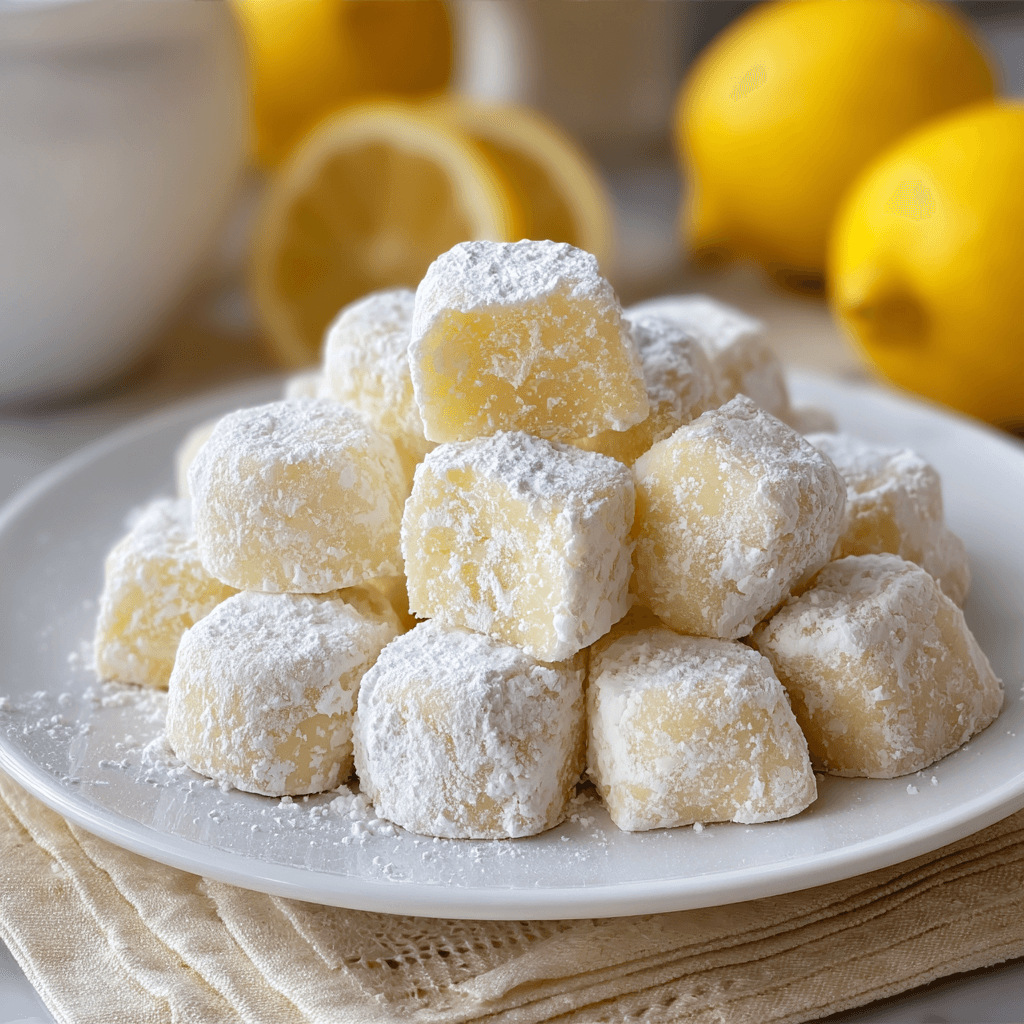
These Lemon Meltaways are engineered for pure delight, dissolving on your tongue in a cloud of buttery, citrusy bliss. They are impossibly tender and remarkably simple to execute. While my collection of desserts is vast, this recipe is a foundational favorite for its minimal effort and maximum impact.
The Science of a True “Meltaway” Texture
The name “meltaway” isn’t just a charming descriptor; it’s a direct result of food science. The unique, sandy, and tender crumb of these cookies comes from one key ingredient: cornstarch.
- Gluten Inhibition: In baking, when flour is mixed with liquid and agitated, it forms gluten. Gluten creates structure and chewiness—perfect for bread, but the enemy of a meltaway cookie.
- The Role of Cornstarch: Cornstarch is pure starch and contains no gluten-forming proteins. By replacing a portion of the all-purpose flour with cornstarch, you physically shorten the potential gluten strands.
- The Result: This process results in an incredibly tender, delicate cookie with a “short” crumb that crumbles and dissolves easily, rather than a chewy or crisp one. The high-fat content from the butter further coats the flour particles, providing another layer of gluten inhibition.
Step-by-Step Instructions
Prep Time: 15 mins
Chill Time: 60 mins
Cook Time: 12-15 mins
Yields: ~3 dozen cookies
- Cream Butter & Sugar: In a large bowl using a stand mixer or hand mixer, beat the softened butter and 3/4 cup of powdered sugar on medium-high speed until light and fluffy, about 2-3 minutes. Scrape down the sides of the bowl as needed.
- Add Flavor: Beat in the lemon zest, vanilla extract, and salt until just combined. The zest’s oils will infuse the butter mixture directly.
- Combine Dry Ingredients: In a separate medium bowl, whisk together the all-purpose flour and cornstarch. This ensures the cornstarch is evenly distributed, which is critical for the final texture.
- Mix the Dough: With the mixer on low speed, gradually add the dry ingredients to the wet ingredients. Mix only until the flour is just incorporated. Over-mixing will develop gluten and make the cookies tough. The dough will be soft and a bit crumbly.
- Chill the Dough: Form the dough into a disc, wrap it tightly in plastic wrap, and refrigerate for at least 60 minutes (or up to 48 hours). Do not skip this step. Chilling solidifies the butter, preventing the cookies from spreading too much in the oven and concentrating the flavor.
- Preheat and Prep: Preheat your oven to 350°F (175°C). Line two baking sheets with parchment paper.
- Shape the Cookies: Remove the dough from the refrigerator. Scoop and roll the dough into 1-inch balls. Place them about 1.5 inches apart on the prepared baking sheets.
- Bake: Bake for 12-15 minutes, or until the bottoms are very lightly golden. The tops should remain pale; do not let them brown.
- First Sugar Coat (Warm): Let the cookies cool on the baking sheet for 2-3 minutes—just long enough to handle them without breaking. While they are still warm, gently roll each cookie in a bowl of powdered sugar until lightly coated. The warmth helps the first layer of sugar melt slightly and adhere.
- Second Sugar Coat (Cool): Place the sugar-coated cookies on a wire rack to cool completely. Once fully cooled, roll them in powdered sugar a second time for a thick, snowy-white coating that won’t absorb.
Pro-Tips for Lemon Meltaway Success
Achieve flawless results every time by following these key engineering principles.
- Use Fresh Lemon Zest: This is non-negotiable. Zest from a fresh lemon contains potent oils that provide bright, authentic flavor. Bottled juice or extract alone cannot replicate this.
- Don’t Over-Bake: The visual cue for doneness is a pale top and a barely golden edge on the bottom. Pulling them from the oven at this stage preserves their soft, tender texture.
- The Double-Coat Method: Rolling the cookies in powdered sugar while warm and again when cool is the secret to a perfect coating. The first coat melts slightly to form a base, and the second coat provides the classic snowy finish.
- Uniform Size is Key: Use a small cookie scoop (1-tablespoon size) to ensure all your dough balls are uniform. This promotes even baking across the entire batch.
Flavor Engineering: Simple Variations
Once you’ve mastered the base recipe, you can easily modify the flavor profile. These are some of my go-to recipes when I need a change.
- Lime or Orange Meltaways: Swap the lemon zest one-for-one with fresh lime zest or orange zest for a different citrus note.
- Almond-Poppy Seed: Reduce vanilla to 1 tsp, add 1/2 tsp of almond extract, and mix in 1 tablespoon of poppy seeds with the dry ingredients.
- Spiced Cardamom: Add 1/2 teaspoon of ground cardamom to the dry ingredients for a warm, aromatic twist that pairs beautifully with citrus.
- Fruity Explorations: If you enjoy fruit-forward desserts with buttery textures, you might also find inspiration in these delightful peach almond tartlets.
Make-Ahead & Storage Blueprint
These cookies are ideal for preparing in advance.
- Dough Storage: The raw dough can be wrapped and refrigerated for up to 3 days or frozen for up to 3 months. If frozen, thaw in the refrigerator overnight before scooping and baking.
- Baked Cookie Storage: Store fully cooled cookies in an airtight container at room temperature for up to one week. Layer them between sheets of wax or parchment paper to protect the powdered sugar coating.
COMMON MISTAKES TO AVOID
- Mistake: Using softened butter that is too warm or melted.
- Fix: Use butter that is cool to the touch but soft enough to indent with your finger. Melted butter will cause the cookies to spread into greasy, flat discs.
- Mistake: Skipping the chill time.
- Fix: Always chill the dough for at least one hour. Chilling solidifies the fat, preventing excessive spread and ensuring a thicker, more tender cookie.
- Mistake: Overworking the dough after adding flour.
- Fix: Mix on the lowest speed and stop as soon as the flour streaks disappear. Every extra rotation develops gluten, which makes the cookies tough instead of tender.
FAQ
Q: Why did my cookies spread so much?
A: This is almost always due to butter that was too soft or skipping the mandatory dough-chilling step. Ensure your butter is properly softened (not greasy) and that the dough is firm and cold before it goes into the oven.
Q: Can I use bottled lemon juice instead of zest?
A: It is not recommended. The primary lemon flavor comes from the oils in the zest. Bottled juice adds acidity and liquid, which can change the cookie’s texture, but it lacks the bright, aromatic punch of fresh zest.
Q: How do I get the powdered sugar to stick perfectly?
A: The double-coating technique is key. A light coat while the cookies are still warm creates a sticky base. A second, more generous coat after they have cooled completely provides the beautiful, opaque finish.
For those looking for other simple yet impressive dessert ideas, these cookies & cream truffle balls are a fantastic no-bake option. And if you need a savory meal before dessert, these crispy chickpea shawarma wraps are a quick and satisfying choice.
NUTRITIONAL SNAPSHOT
Estimates are per cookie.
| Nutrient | Amount per Serving |
|---|---|
| Calories | 85 kcal |
| Protein | 0.8g |
| Fat | 5g |
| Net Carbs | 9g |
| Fiber | 0.2g |
| Sugar | 4g |
Easy Lemon Meltaway Cookies: A Buttery, Tender Recipe
Ingredients
- 1 cup (227g) unsalted butter, softened
- 3/4 cup (90g) powdered sugar, plus 1 cup more for rolling
- 1 tbsp fresh lemon zest
- 2 tsp pure vanilla extract
- 1/4 tsp salt
- 2 cups (240g) all-purpose flour
- 1/2 cup (60g) cornstarch