
Authentic Lasagnes à la Bolognaise: A Step-by-Step Guide
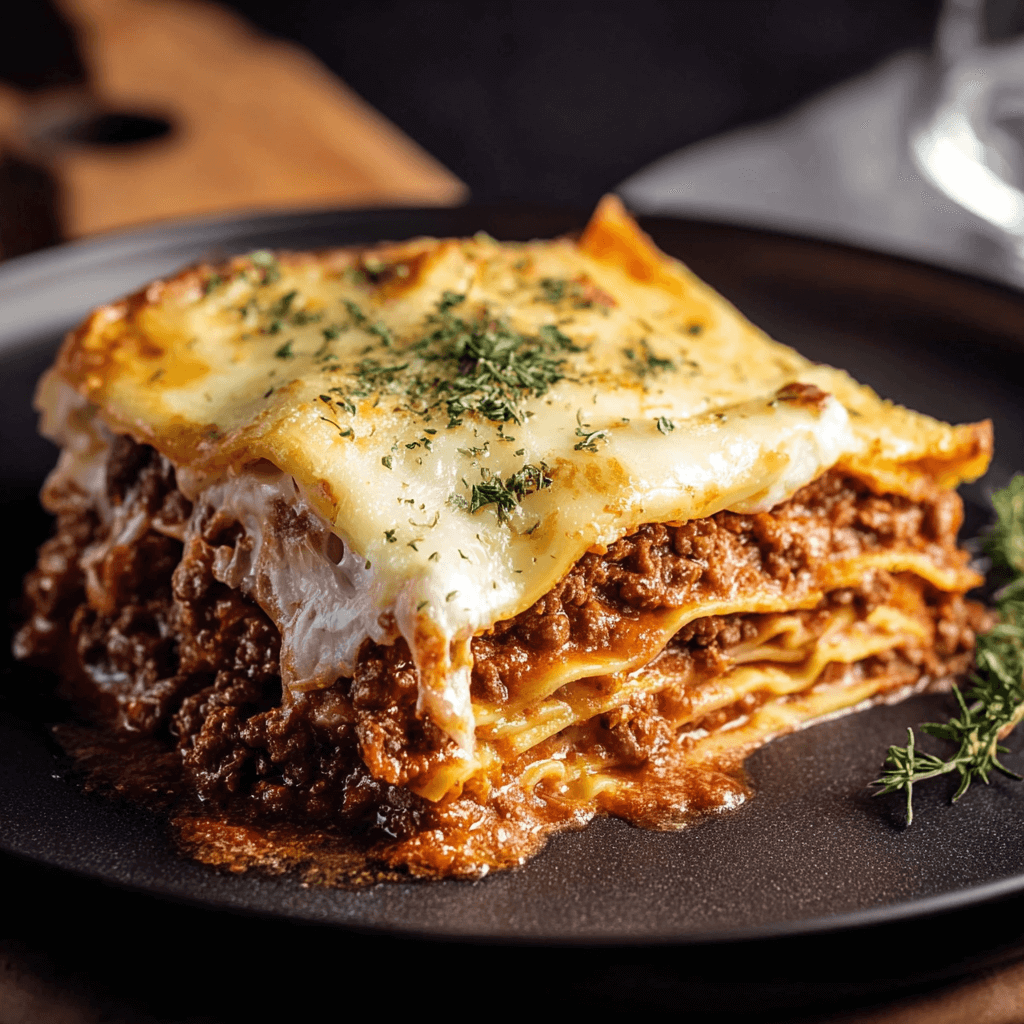
Layers of rich, slow-simmered meat sauce, creamy béchamel, and tender pasta unite in this definitive recipe for lasagnes à la bolognaise. It’s a cornerstone of our main recipes collection because it delivers deep, comforting flavor through proven, straightforward techniques. This guide engineers a perfect result every time.
The Two-Sauce Foundation
Authentic lasagnes à la bolognaise relies on two key components working in harmony. This isn’t the place for ricotta or cottage cheese.
- Ragù alla Bolognese: A slow-cooked meat sauce that builds incredible depth. The foundation of the entire dish.
- Salsa Besciamella (Béchamel): A simple, creamy white sauce that adds moisture, richness, and a perfect binding texture.
Mastering the Bolognese
The quality of your lasagna is directly tied to the quality of your Bolognese. Don’t rush it.
- The Soffritto: Finely chopped onion, carrot, and celery form the aromatic base. Sautéing them slowly in olive oil and butter until soft and sweet is a non-negotiable first step.
- The Meat: A combination of ground beef (for flavor) and ground pork (for fat and tenderness) provides the ideal texture. Brown it properly to develop the Maillard reaction.
- The Liquids: A dry white or red wine deglazes the pan and adds acidity. Whole milk is a classic addition that tenderizes the meat. San Marzano tomatoes provide the best flavor base.
- The Simmer: Time is the key ingredient. A low, slow simmer for a minimum of 2 hours (ideally 3-4) melds the flavors into something truly spectacular.
The Perfect Béchamel: No Lumps, Guaranteed
A smooth, creamy béchamel is easy if you follow the engineering principles.
- The Roux: Start by melting butter and whisking in an equal amount of all-purpose flour. Cook this paste for 1-2 minutes to eliminate any raw flour taste.
- The Milk: Use warm milk. Adding cold milk to a hot roux is the primary cause of lumps. Warm the milk gently in a separate saucepan or the microwave before slowly whisking it into the roux.
- The Seasoning: A pinch of salt and a fresh grating of nutmeg are all you need to elevate the béchamel.
Step-by-Step Instructions
- For the Bolognese Sauce:
- Sauté the Soffritto: In a large Dutch oven or heavy-bottomed pot, heat the olive oil and butter over medium heat. Add the finely chopped onion, carrot, and celery. Cook, stirring occasionally, for 10-15 minutes until very soft and fragrant.
- Brown the Meat: Add the ground beef and ground pork. Increase the heat to medium-high. Break up the meat with a wooden spoon and cook until browned all over, about 10 minutes. Drain any excess fat.
- Deglaze and Simmer: Pour in the wine and scrape up any browned bits from the bottom of the pan. Let the wine cook off completely. Stir in the milk and let it simmer until it has been mostly absorbed.
- Add Tomatoes & Simmer: Stir in the crushed tomatoes, tomato paste, beef broth, bay leaf, salt, and pepper. Bring to a boil, then reduce the heat to the lowest possible setting. Cover partially and let it simmer for at least 2 hours, stirring every 30 minutes. The sauce should be thick and rich. Remove the bay leaf before assembly.
- For the Béchamel Sauce:
- Make the Roux: In a medium saucepan, melt the butter over medium heat. Whisk in the flour and cook for 1 minute, stirring constantly.
- Add Milk: Gently warm the milk in a separate pan or the microwave. Slowly pour the warm milk into the roux, whisking constantly to prevent lumps.
- Thicken and Season: Continue to cook, whisking often, for 5-8 minutes, until the sauce has thickened enough to coat the back of a spoon. Remove from heat and stir in the salt and freshly grated nutmeg.
- For Assembly & Baking:
- Preheat & Prep: Preheat your oven to 375°F (190°C). Grease a 9×13 inch baking dish.
- First Layer: Spread a thin layer of Bolognese sauce on the bottom of the prepared dish. This prevents the pasta from sticking.
- Layer Pasta: Arrange a single layer of lasagna noodles over the sauce. If using no-boil noodles, ensure they don’t overlap too much.
- Layer Sauces: Spread a layer of Bolognese over the noodles, followed by a layer of béchamel. Sprinkle generously with grated Parmigiano-Reggiano.
- Repeat: Continue layering in this order: noodles, Bolognese, béchamel, Parmesan. Aim for 4-5 layers of pasta, ending with a final layer of béchamel and a heavy sprinkle of Parmesan. It’s a standout centerpiece for any special dinner.
- Bake: Cover the dish tightly with aluminum foil (grease the underside to prevent sticking). Bake for 30 minutes.
- Brown the Top: Remove the foil and bake for another 15-20 minutes, or until the top is golden brown and bubbly.
- REST: This is a critical step. Let the lasagna rest for at least 15-20 minutes before slicing and serving. This allows the layers to set, ensuring clean, structured slices.
Make-Ahead & Storage Strategy
This dish is ideal for prepping in advance.
- To Assemble Ahead: You can assemble the entire lasagna (without baking) up to 2 days in advance. Cover it tightly with plastic wrap and refrigerate. Add 10-15 minutes to the covered baking time.
- To Freeze Unbaked: Assemble the lasagna in a freezer-safe dish. Wrap tightly in plastic wrap and then foil. It can be frozen for up to 3 months. Bake from frozen (covered) for 60-70 minutes, then uncover and bake for another 15-20 minutes until hot and bubbly.
- To Store Leftovers: Leftover baked lasagna will keep in the refrigerator for up to 5 days. Reheat individual slices in the microwave or a covered oven-safe dish at 350°F (175°C).
COMMON MISTAKES TO AVOID
- Mistake: Watery Bolognese sauce. A thin sauce leads to a sloppy, unstable lasagna.
Fix: Ensure you simmer the sauce long enough for it to become thick and concentrated. If it’s still too thin, let it simmer uncovered for the last 30 minutes. - Mistake: A dry, tough final product.
Fix: Be generous with both sauces, ensuring every noodle is coated. Covering the dish with foil for the first part of baking traps steam and keeps the noodles moist. - Mistake: Slicing the lasagna immediately out of the oven.
Fix: Patience. Letting the lasagna rest for at least 15 minutes is crucial. This allows the cheese and sauces to set, so your slices hold their beautiful layers.
FAQ
Q: Can I use no-boil lasagna noodles?
A: Absolutely. This recipe works perfectly with no-boil (oven-ready) noodles, which absorb moisture from the sauces as they bake. Just ensure they are well-covered in sauce.
Q: Why is there milk in the Bolognese?
A: Milk is a traditional ingredient that adds richness and helps to tenderize the meat through its lactic acid and fat content, resulting in a more velvety sauce.
Q: Can I make this vegetarian?
A: Yes. For a vegetarian version, substitute the ground meat with a mix of finely chopped mushrooms, lentils, and walnuts to create a rich, savory base for the ragù.
To round out your meal, a fresh green salad with a simple vinaigrette is the perfect complement. For dessert, you could follow this hearty classic with something intensely rich, like dark chocolate raspberry truffles, or contrast it with a lighter, fruit-forward option such as a coconut cream mango tart.
NUTRITIONAL SNAPSHOT
| Nutrient | Amount per Serving (Est.) |
|---|---|
| Calories | 680 kcal |
| Protein | 35g |
| Fat | 38g |
| Net Carbs | 45g |
| Fiber | 5g |
| Sugar | 12g |
Authentic Lasagnes à la Bolognaise: A Step-by-Step Guide
Ingredients
- 2 tbsp olive oil
- 2 tbsp unsalted butter
- 1 large onion, finely chopped
- 2 carrots, finely chopped
- 2 celery stalks, finely chopped
- 1 lb ground beef (80/20)
- 1/2 lb ground pork
- 1 cup dry white wine
- 1 cup whole milk
- 1 (28-ounce) can crushed San Marzano tomatoes
- 2 tbsp tomato paste
- 1 cup beef broth
- 1 bay leaf
- Salt and freshly ground black pepper to taste
- 4 tbsp unsalted butter
- 1/4 cup all-purpose flour
- 4 cups whole milk, warmed
- Pinch of salt
- Freshly grated nutmeg to taste
- 1 lb lasagna noodles (fresh or no-boil)
- 2 cups freshly grated Parmigiano-Reggiano cheese