
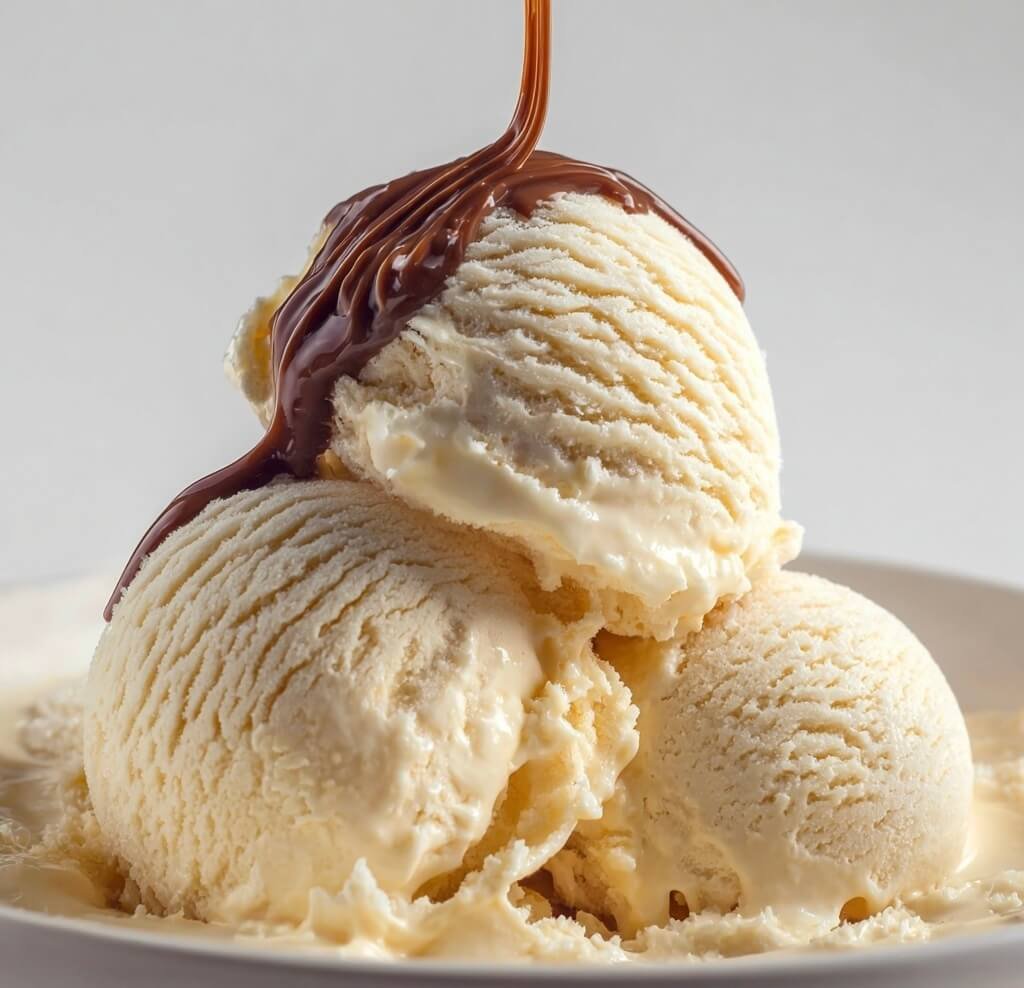
Why Is My Ice Cream Icy Instead of Creamy? Fix It Fast with These Pro Tips
Ice cream is one of the most beloved desserts worldwide, but nothing kills the joy like an icy, grainy texture. If you’ve ever wondered why is my ice cream icy instead of creamy?, you’re not alone. This common issue can happen even with the best intentions and recipes. Whether you’re crafting your own homemade ice cream from scratch or trying a simple no-churn version, understanding the science and technique behind creamy ice cream is essential for success.
At Bites by Lila, I focus on practical tips for home cooks who want fast, reliable results with simple ingredients. This guide covers everything from why ice crystals form, how to prevent them, to step-by-step instructions for creamy ice cream you’ll love. Let’s dive in and make sure your next batch turns out perfectly smooth every time.
How Ice Cream Texture Works: Creamy vs. Icy
- Ice cream texture depends on how evenly tiny ice crystals form and are suspended in fat and sugar.
- Icy ice cream occurs when ice crystals grow too large, creating a crunchy or grainy mouthfeel.
- Creamy texture comes from small, uniform crystals stabilized by fats, sugars, and air (called overrun).
Controlling factors like churning speed, freezing temperature, and ingredient ratios helps achieve creamy ice cream. Cutting corners leads to common problems such as:
- Too much water content
- Insufficient fat
- Poor mixing or freezing techniques
Learn practical fixes below to troubleshoot the icy texture.
Step-by-Step: How to Make Creamy Ice Cream at Home
- Use High-Quality Ingredients
- Heavy cream and whole milk for rich fat content
- Granulated sugar and/or stabilizers like corn syrup to lower freezing point
- Flavor extracts or real fruit purees for taste, keeping added water low
- Churn Properly and Quickly
- Pour the chilled base into your ice cream maker after at least 4 hours in the fridge
- Churn according to manufacturer instructions, usually 20-30 minutes until thick and soft
- Freeze at Correct Temperature
- Freeze finished ice cream at -20°F (-29°C) or colder for at least 3 hours before serving
- Avoid thaw and refreeze cycles that cause large ice crystals
- Incorporate Air (Overrun)
- Churning adds air into the base, which softens texture and improves scoopability
- Homemade ice cream has less overrun than commercial brands; don’t skip churning
- Store Properly
- Use airtight containers to prevent ice crystal formation from humidity
- Place plastic wrap or parchment paper directly on the surface before sealing
Texture and doneness cues: The ice cream should be smooth and creamy when scooped; if icy or crunchy, check steps above.
For additional tips on creamy desserts, explore the desserts collection for inspiration.
Common Reasons Ice Cream Turns Out Icy
- Too Much Water in the Base
High water content freezes into large crystals. Opt for rich dairy and minimize added water or juice. - Incomplete Freezing Time
Ice cream not fully hardened allows crystals to grow during serving. Freeze thoroughly for best results. - Improper Storage
Temperature fluctuations cause ice crystal growth. Store in the coldest part of the freezer, not the door.
How to Fix Icy Ice Cream After It’s Made
- Let ice cream soften slightly at room temp for 5 minutes, then re-churn in an ice cream maker to break up crystals
- Blend the softened ice cream with a splash of cream or milk before refreezing for creamier texture
- Add stabilizers like gelatin or commercial ice cream stabilizers in your next batch (follow package instructions)
Additional Ingredients That Improve Creaminess
- Egg Yolks (custard base)
Increase fat and emulsify the mixture, preventing big crystals. - Corn Syrup or Glucose
Lowers freezing point, keeps ice cream naturally soft and elastic. - Alcohol (small amount)
Also lowers freezing point; use sparingly to avoid flavor interference.
More culinary strategies for creamy textures can be found in this quick and comforting creamy broccoli cheddar soup recipe, which employs similar emulsification principles.
Common Mistakes to Avoid
- Mistake: Using skim milk or low-fat dairy
Fix: Use whole milk and heavy cream for adequate fat content. - Mistake: Freezing the ice cream base before churning
Fix: Chill base only, then churn fresh for proper aeration. - Mistake: Storing ice cream in the freezer door
Fix: Store ice cream in the coldest, most stable part of your freezer.
FAQ
Q: Can I make creamy ice cream without an ice cream maker?
A: Yes, using a no-churn recipe with sweetened condensed milk and heavy cream can yield creamy results. However, texture may vary. Experiment with mixing every 30 minutes during freezing to break ice crystals. For creative no-churn options, check out easy dessert recipes.
Q: How does sugar affect ice cream texture?
A: Sugar lowers the freezing point of water in your mix, preventing large crystals and keeping ice cream soft and scoopable. Adjust sugar content carefully to balance sweetness and texture.
Q: Why is homemade ice cream harder than store-bought?
A: Commercial ice cream contains more air (overrun) and stabilizers for softer texture. Homemade ice cream usually has less fat and air and freezes harder. Tips to improve softness include adding alcohol or corn syrup. For more ideas on adjusting sweetness and texture in baked goods, check this guide on why brownies turn cake-like.
Nutritional Snapshot (per ½ cup serving)
| Nutrient | Amount per Serving |
|---|---|
| Calories | 220 |
| Protein | 3 g |
| Fat | 14 g |
| Net Carbs | 20 g |
| Fiber | 0 g |
| Sugar | 18 g |
Conclusion
Getting creamy ice cream at home is all about controlling your ingredients, freezing technique, and storage. Implement these simple hacks to avoid the dreaded icy crunch and enjoy silky, dreamy ice cream anytime. For more flavorful dessert inspiration, visit this strawberry cheesecake cookie recipe for a perfect balance of creamy and crumbly.
Have questions or your own tips to share? Drop a comment below, share this guide, and subscribe for more home cooking secrets from Bites by Lila.
Why Is My Ice Cream Icy Instead of Creamy? Fix It Fast with These Pro Tips
Ingredients
- 2 cups heavy cream
- 1 cup whole milk
- 3/4 cup granulated sugar
- 3 egg yolks (optional, for custard base)
- 2 tsp vanilla extract
- 2 tbsp corn syrup or glucose (optional)
- pinch salt