
Why Doesn’t My Lasagna Hold Its Shape? Expert Tips to Fix It
Lasagna is a classic comfort food loved by many, but sometimes it fails to hold its shape when sliced and served. If you’ve wondered, “Why doesn’t my lasagna hold its shape?”, you’re not alone. Understanding the common causes and how to fix them will help you serve a perfect lasagna every time. At Bites by Lila, I share easy recipes and tips that make cooking approachable and delicious—check out our easy dinner recipes for more meal inspiration.
Many factors affect how well your lasagna holds together—ingredient ratios, cooking technique, and layering precision all play a role. Let’s break down actionable steps and key pointers that create a firm yet tender lasagna ready to impress.
Step-by-Step Instructions to Make Lasagna That Holds Its Shape
- Choose the Right Cheese and Sauce Consistency
- Use whole-milk ricotta or a well-drained cottage cheese.
- Avoid overly watery tomato sauce; simmer until thickened.
- Mix ricotta with eggs and parmesan for better binding.
- Pre-Cook Your Noodles Properly
- Cook lasagna noodles al dente and cool immediately in cold water to stop cooking.
- Dry the noodles on a towel to remove excess moisture.
- Layer with Purpose
- Start with a thin layer of sauce on the bottom to prevent sticking.
- Alternate noodles, cheese mix, sauce, and cooked fillings evenly.
- Avoid overloading layers with too much sauce or cheese.
- Press Layers Firmly
- Gently press each layer down to remove air gaps, which cause slipping.
- Bake Covered, then Uncover
- Cover with foil for the first 30-40 minutes to prevent drying.
- Uncover in the last 10 minutes for a bubbly, golden top.
- Let It Rest After Baking
- Rest lasagna for at least 15-20 minutes before slicing.
- This allows the layers to set and firm up for clean cuts.
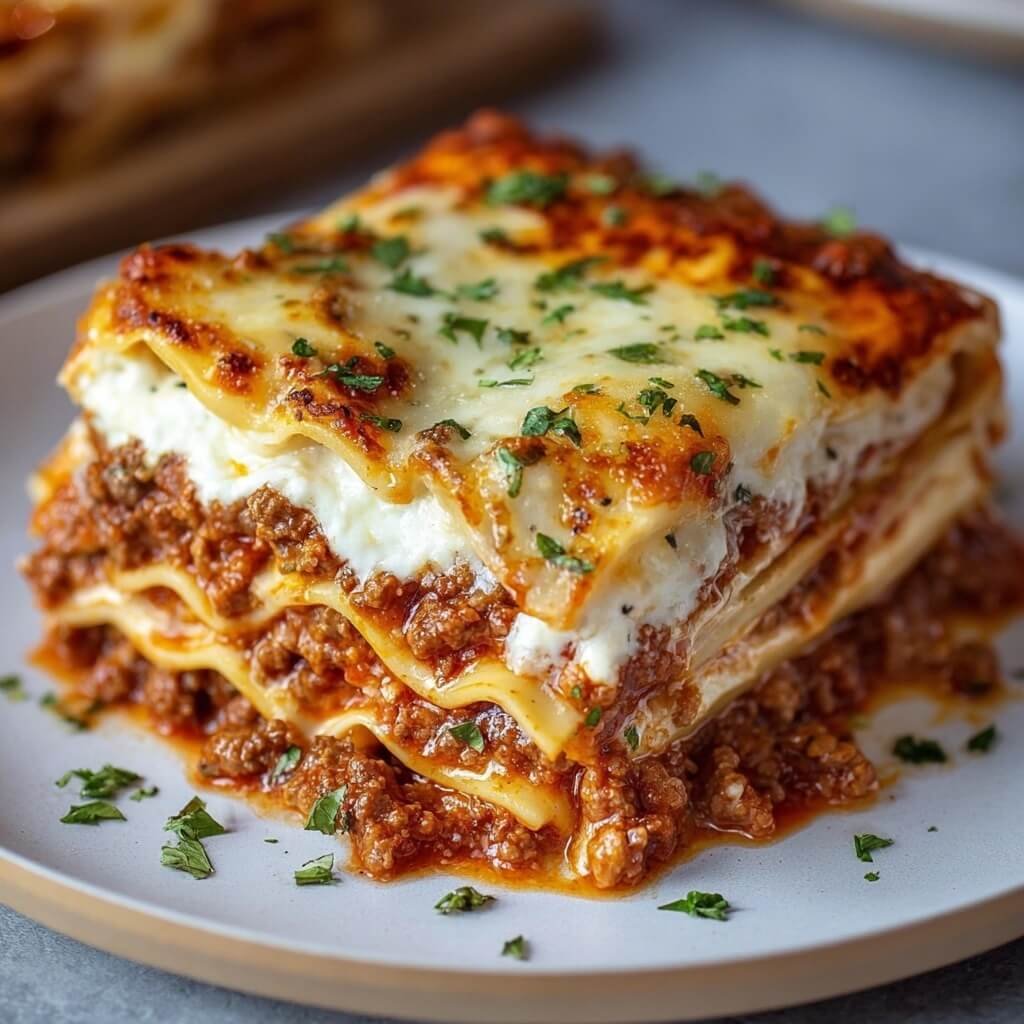
Why Your Lasagna Layers May Slip Apart
- Excess moisture in ricotta or sauce causes soggy structure.
- Insufficient binding agents like egg or cheese.
- Overcooked noodles become mushy and break.
- Too thick or uneven layering prevents fusion.
- Skipping the resting step leads to collapse when cut.
Best Cheeses and Sauces for Sturdy Lasagna
- Ricotta cheese mixed with egg yolks increases firmness.
- Use a thick homemade marinara or meat sauce, such as a traditional Bolognese.
- Combine mozzarella and parmesan for balanced melt and flavor.
- Avoid fresh mozzarella with excess water; drain it well if used.
Integrating a rich, well-cooked meat sauce like in this Reeses Bombs recipe for hearty meatballs can elevate your lasagna layers and help retention.
How to Prevent Watery, Soggy Lasagna
- Drain vegetables and cooked meats thoroughly.
- Thicken sauce by simmering longer or adding tomato paste.
- Use no-boil noodles sparingly; pre-soak as recommended.
- Avoid too much liquid ricotta filling.
For more tips on flaky texture and perfect cooking, check out this guide on golden flaky berry puff pastry twists, which shares principles about moisture control that apply here.
Common Mistakes to Avoid
- Mistake: Using watery ricotta or fresh mozzarella straight from the package.
Fix: Drain cheeses or mix with eggs to improve hold.
- Mistake: Overlapping uncooked noodles without liquid sauce.
Fix: Use sufficient sauce layers to prevent drying out.
- Mistake: Serving immediately after baking.
Fix: Let lasagna rest 20 minutes to firm up layers for easy slicing.
FAQ
Q1: Can I use no-boil noodles for a lasagna that holds well?
A1: Yes, but make sure your sauce is thick and you layer evenly. No-boil noodles absorb sauce during cooking but excess liquid can cause sogginess.
Q2: How long should I let lasagna cool before slicing?
A2: Let it rest at least 15–20 minutes uncovered. This resting period allows the cheese and sauce to set, making slicing much cleaner.
Q3: What’s a good way to store leftover lasagna?
A3: Store leftovers in an airtight container in the fridge up to 4 days. Reheat gently in the oven or microwave. For more meal ideas and storage tips, visit this shrimp broccoli stir-fry recipe.
Nutritional Snapshot (Per Serving)
| Nutrient | Amount per Serving |
|---|---|
| Calories | 400 |
| Protein | 28g |
| Fat | 20g |
| Net Carbs | 25g |
| Fiber | 3g |
| Sugar | 8g |
Conclusion
Understanding why your lasagna doesn’t hold its shape empowers you to fix it with precise techniques. Use the right cheese blend, drain ingredients, layer thoughtfully, and most importantly, allow sufficient resting time. For detailed meat sauce recipes to make your lasagna layers even better, explore this Reeses Bombs recipe. Share your lasagna success stories or questions in the comments below, and subscribe for more reliable kitchen hacks and recipes at Bites by Lila.
Why Doesn’t My Lasagna Hold Its Shape? Expert Tips to Fix It
Ingredients
- 12 lasagna noodles (preferably no-boil or cooked al dente)
- 15 oz ricotta cheese, well drained
- 1 large egg, beaten
- 3 cups shredded mozzarella cheese
- 1 cup grated Parmesan cheese
- 4 cups thick marinara sauce or meat sauce
- 1 pound ground beef or Italian sausage (optional)
- Salt and pepper to taste
- Fresh basil or parsley for garnish (optional)