
20-Minute Honey Garlic Glazed Salmon Recipe
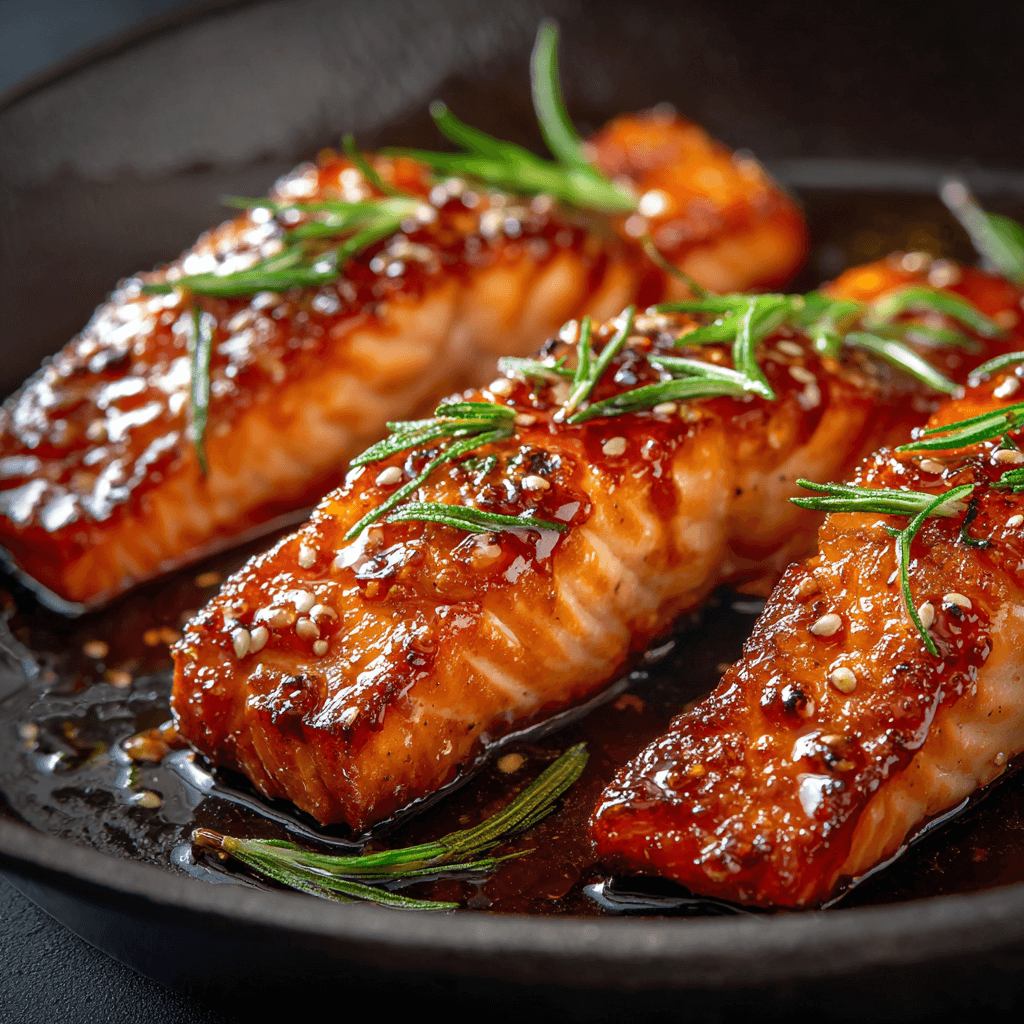
This Honey Garlic Glazed Salmon is the answer to your weeknight dinner dilemma. A perfectly seared fillet with crispy skin, coated in a sticky, sweet, and savory glaze that comes together in minutes. It’s a high-impact meal with minimal effort, much like another lightning-fast seafood dinner, my Creamy Tuscan Shrimp.
Why This Recipe Is Foolproof
This method is engineered for success by leveraging simple food science principles to guarantee a delicious outcome.
- High-Heat Sear: We start by searing the salmon skin-side down in a hot pan. This creates a crispy texture via the Maillard reaction, a chemical reaction between amino acids and reducing sugars that gives browned food its distinctive flavor.
- Glaze Chemistry: The glaze is a perfect balance. Honey provides sweetness and helps with caramelization. Soy sauce delivers salty umami depth. Garlic adds aromatic pungency, and a touch of acid (like lemon juice) cuts through the richness, balancing the final flavor profile.
- Two-Stage Cooking: The salmon is cooked most of the way through on the skin side. The glaze is then added and thickened in the same pan, which simultaneously finishes cooking the fish and infuses it with flavor. This one-pan method is efficient and builds layers of flavor.
The Perfect Glaze: A Breakdown of Key Ingredients
Understanding the role of each component helps you master the sauce.
- Honey: The star player. It provides the signature sweetness and, more importantly, the sugars needed for a thick, bubbly caramelization. Use a standard liquid honey; no need for anything fancy.
- Soy Sauce: This is your salt and umami base. It provides a savory counterpoint to the honey’s sweetness. Low-sodium soy sauce gives you more control over the final saltiness.
- Fresh Garlic: Do not substitute with garlic powder. Freshly minced garlic releases aromatic oils into the sauce that are essential for the flavor. Add it late in the process to prevent it from burning and turning bitter.
- Acid (Lemon Juice): A non-negotiable final touch. A small squeeze of fresh lemon juice at the end brightens the entire dish, cutting through the richness and preventing the glaze from tasting flat or overly sweet.
Step-by-Step Instructions
- Prep the Salmon: Pat the salmon fillets completely dry with a paper towel. This is crucial for achieving crispy skin. Season both sides generously with salt and black pepper.
- Heat the Pan: Place a non-stick or cast-iron skillet over medium-high heat. Add a thin layer of a high-smoke-point oil, like avocado or canola oil. Wait until the oil shimmers.
- Sear Skin-Side Down: Carefully place the salmon fillets skin-side down in the hot pan. Press down gently with a spatula for 10-15 seconds to ensure the entire skin makes contact with the pan. Cook for 4-6 minutes, depending on thickness, until the skin is golden and crispy and the flesh is cooked about 75% of the way through (you’ll see the color change up the side of the fillet).
- Flip and Cook: Flip the salmon and cook for another 1-2 minutes on the flesh side.
- Prepare the Glaze: While the salmon cooks, whisk together the honey, soy sauce, and minced garlic in a small bowl.
- Glaze the Salmon: Turn the heat down to medium-low. Pour the honey-garlic mixture into the pan around the salmon. Let it bubble and thicken for 1-2 minutes, spooning the glaze over the fillets continuously. The sauce is done when it coats the back of a spoon.
- Finish: Squeeze fresh lemon juice over the top. Remove from heat and serve immediately, garnished with chopped parsley or sesame seeds if desired.
Pro Tips for a Flawless Finish
- Don’t Crowd the Pan: Cook in batches if necessary. Overcrowding lowers the pan’s temperature, causing the salmon to steam instead of sear.
- Pat It Dry. Really: Any moisture on the salmon skin will create steam and prevent it from crisping up. This is the single most important step for crispy skin.
- Watch the Garlic: Burnt garlic is bitter. By adding the pre-mixed glaze to the pan instead of adding garlic directly to the hot oil, you control the temperature and prevent burning.
- Use a Fish Spatula: A thin, flexible metal spatula (a fish spatula) is the best tool for getting under the delicate salmon skin without tearing it.
- Rest is Not Required: Unlike steak, fish does not need to rest. Serve it immediately from the pan for the best texture. The pan-searing technique here is versatile; once you master it, you can apply it to other quick seafood recipes, like this Creamy Garlic Shrimp Skillet from Meaty Delights.
Expert Serving Suggestions
This salmon is versatile and pairs well with a variety of sides.
- Grains: Serve over a bed of fluffy jasmine rice, quinoa, or cauliflower rice to soak up the extra glaze.
- Vegetables: Roasted broccoli, steamed asparagus, or sautéed green beans are excellent choices. Their slight bitterness contrasts beautifully with the sweet glaze.
- Potatoes: For a more substantial meal, serve with a side of these unbelievably Easy Lipton Onion Soup Potatoes.
- Salad: A simple green salad with a light vinaigrette can provide a fresh, acidic counterpoint to the rich salmon.
COMMON MISTAKES TO AVOID
- Mistake: Starting with a cold pan.
Fix: Always preheat your skillet until the oil is shimmering. A hot pan is essential for a non-stick sear and crispy skin. - Mistake: The glaze is too thin and won’t stick.
Fix: Simply let it simmer for another 30-60 seconds. The honey will continue to reduce and thicken. Be careful not to let it burn. - Mistake: Overcooking the salmon.
Fix: Cook the salmon until it’s just opaque in the center. It will continue to cook slightly from residual heat after you remove it from the pan. If it flakes easily with a fork, it’s ready.
FAQ
Q: Can I bake this salmon instead of pan-searing?
A: Yes. Place the salmon on a parchment-lined baking sheet. Bake at 400°F (200°C) for 10-12 minutes. In the last 2-3 minutes, pour the glaze over the top and broil for a minute until bubbly, watching it carefully to prevent burning. You won’t get crispy skin this way.
Q: What can I use instead of soy sauce for a gluten-free option?
A: Tamari or coconut aminos are excellent 1:1 gluten-free substitutes for soy sauce.
Q: How do I store and reheat leftovers?
A: Store in an airtight container in the refrigerator for up to 2 days. Reheat gently in a covered skillet over low heat or in the microwave at 50% power to avoid drying it out. For a truly satisfying dinner, you could even finish the meal with these decadent Cookies and Cream Stuffed Brownies.
NUTRITIONAL SNAPSHOT
| Nutrient | Amount per Serving |
|---|---|
| Calories | 385 kcal |
| Protein | 34g |
| Fat | 21g |
| Net Carbs | 13g |
| Fiber | 0g |
| Sugar | 12g |
*Estimates are for a 6oz salmon fillet and associated glaze.
20-Minute Honey Garlic Glazed Salmon Recipe
Ingredients
- 2 (6-ounce) salmon fillets, skin-on
- 1 tbsp avocado oil (or other high-smoke-point oil)
- Salt, to taste
- Black pepper, to taste
- 3 tbsp honey
- 2 tbsp low-sodium soy sauce (or tamari)
- 3 cloves garlic, minced
- 1 tbsp fresh lemon juice
- Optional Garnish: chopped fresh parsley, sesame seeds