
How to Make Rich Nigerian Chicken Stew (The Easy Way)
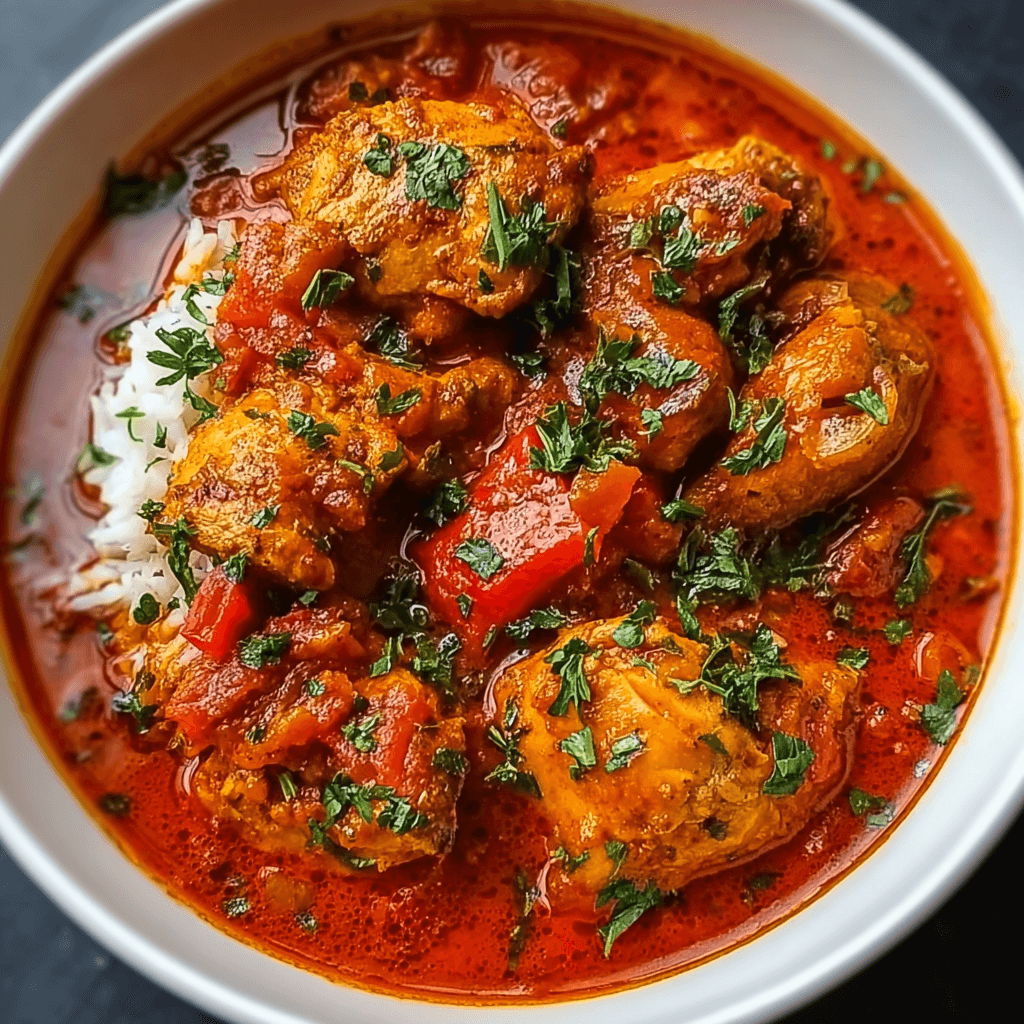
This Nigerian Chicken Stew recipe delivers a pot of deeply savory, aromatic, and brilliantly red stew every time. It’s a foundational dish, rich with a pepper base and tender chicken, making it one of the most comforting dinner recipes on the entire site. This is a streamlined process for maximum flavor with zero fuss.
The Heart of the Stew: Building Your Obe Ata Base
The soul of any Nigerian stew is the Obe Ata—the pepper base. Its flavor and color are non-negotiable. Get this right, and you’re 90% of the way there.
- The Trio: The classic base consists of tomatoes, tatashe (red bell peppers), and ata rodo (scotch bonnet or habanero peppers).
- The Ratio is Key: A common mistake is using too many tomatoes, which makes the stew sour. The bell peppers add sweetness and that signature vibrant red color. A good starting ratio is 4 parts bell pepper to 2 parts tomato to 1 part onion, with scotch bonnet added to your heat preference.
- The Blend: Blend these with a large onion, garlic, and ginger until completely smooth. Do not add too much water; use just enough to get the blender moving. The goal is a thick, vibrant purée.
Ingredient Spotlight: The Unsung Heroes
Beyond the pepper base, a few key ingredients create the classic Nigerian stew flavor profile.
- Nigerian Curry Powder: This is different from Indian or Thai curry powders. It’s typically milder, more aromatic, and has a characteristic yellow hue from turmeric. It’s essential for authenticity.
- Dried Thyme: Adds an earthy, savory background note that complements the chicken and tomatoes perfectly. Don’t skip it.
- Bay Leaf: One or two leaves added during simmering provide a subtle herbal depth that rounds out the stew’s complexity.
- Stock Cubes (Maggi/Knorr): These are umami powerhouses in Nigerian cooking. They provide a concentrated, savory, and salty flavor base that water or simple broth can’t replicate.
STEP-BY-STEP INSTRUCTIONS
Prep Time: 20 minutes
Cook Time: 75 minutes
Total Time: 1 hour 35 minutes
Part 1: Prepare the Chicken & Pepper Base
- Season the Chicken: Pat your chicken pieces dry. Season generously on all sides with salt, black pepper, 1 tsp curry powder, 1 tsp dried thyme, and one crumbled stock cube. Rub the seasonings in well.
- Brown the Chicken: Heat about 1/4 cup of vegetable oil in a large pot or Dutch oven over medium-high heat. Sear the chicken pieces in batches until golden brown on all sides. Do not overcrowd the pot. Set the browned chicken aside.
- Blend the Base: In a blender, combine the rough-chopped tomatoes, red bell peppers, scotch bonnets, onion, garlic, and ginger. Blend until very smooth, using a minimal amount of water.
- Boil the Base: Pour the blended pepper mix into a separate pot. Bring to a boil over medium-high heat and let it simmer vigorously for 20-30 minutes, uncovered. The goal is to reduce its volume by about one-third and evaporate the excess water. This concentrates the flavor and prevents a watery stew.
Part 2: Build the Stew
- Sauté Aromatics: In the same pot you browned the chicken in, add the remaining vegetable oil. Heat over medium. Add the sliced onion and sauté for 5-7 minutes until softened and translucent.
- Fry the Tomato Paste: Add the tomato paste to the pot. Stir-fry it for 3-5 minutes. This step is crucial—it cooks out the raw, metallic taste of the paste and deepens its color and flavor.
- Combine & Fry the Base: Pour the reduced pepper base from the other pot into the pot with the onions and tomato paste. Add the remaining curry powder, thyme, bay leaves, and the second stock cube.
- The “Frying” Stage: Stir everything together and let it “fry” in the oil for 15-20 minutes, stirring frequently to prevent burning. You’ll know it’s ready when the oil begins to separate and rise to the surface. The stew will also darken to a deeper red.
- Add Chicken & Simmer: Return the browned chicken to the pot. Add your chicken broth (or water). Stir, cover the pot, and reduce the heat to low. Let it simmer for at least 30 minutes, or until the chicken is tender and the flavors have melded completely.
- Final Taste: Adjust seasoning. Add salt and pepper if needed. Remove the bay leaves before serving.
Pro Tips for Maximum Flavor Extraction
- Don’t Skip the Browning: Searing the chicken first creates a flavorful crust (the Maillard reaction) that adds immense depth to the finished stew.
- Boil First, Then Fry: Reducing the water content of the pepper base before you fry it is a non-negotiable step for a thick, rich stew.
- “Bleach” the Oil (Optional): For a truly traditional taste, some cooks heat the palm or vegetable oil until it just starts to smoke before adding aromatics. This gives a unique, smoky flavor. Proceed with caution and good ventilation if you try this.
- Patience is a Virtue: Unlike a quick-simmering Italian Rigatoni Bolognese, Nigerian stew develops its deepest flavor when the base is properly fried and then allowed to simmer slowly. Don’t rush these two stages.
Perfect Pairings & Serving Guide
This stew is incredibly versatile. It’s rarely eaten alone and serves as a rich sauce for a starchy side. For a well-rounded meal, check out our other recipes for side dish ideas.
- Classic: Plain boiled white rice is the most common pairing.
- Tubers: Boiled yams, potatoes, or plantains (ripe or unripe).
- Swallow Foods: Eba (made from garri), Pounded Yam, or Fufu.
- Bread: A crusty loaf of Agege bread or any good quality bread for dipping.
- Pasta: Excellent with boiled spaghetti or macaroni.
COMMON MISTAKES TO AVOID
- Mistake: A sour or tangy stew.
Fix: You didn’t fry the tomato base long enough. Ensure you cook the raw tomato paste for 3-5 minutes, and then fry the entire pepper base until the oil separates. This caramelizes the sugars and neutralizes the acidity. - Mistake: The stew is watery.
Fix: You skipped boiling the raw pepper blend to reduce it. Simmering the purée to evaporate excess water is essential before you begin frying it in oil. - Mistake: The chicken is bland and falls apart.
Fix: Season the chicken before browning it. This creates a flavor foundation. Also, add the chicken back in for the final simmer, not at the beginning of the frying stage, to ensure it becomes tender without disintegrating.
FAQ
Q: How can I control the spiciness?
A: The heat comes entirely from the scotch bonnet peppers (ata rodo). For mild stew, use just half a pepper with seeds removed. For medium, use one. For a fiery stew, use two or more. You can also substitute with less intense peppers like jalapeños.
Q: Can I make this stew ahead of time?
A: Absolutely. Nigerian stew tastes even better the next day. It will keep in an airtight container in the refrigerator for up to 5 days. It also freezes beautifully for up to 3 months.
Q: Can I use different spices?
A: The combination of Nigerian-style curry powder and dried thyme is classic for this dish. While you can experiment, changing them significantly will result in a different type of stew. Every recipe has its core flavor profile; for example, a baked good like Chocolate Almond Biscotti relies on specific spices like cinnamon or almond extract that wouldn’t work here. Stick to the recipe for an authentic taste. For a perfect dessert to follow this rich stew, a light and fruity option like these Mini Banoffee Pies provides a wonderful contrast.
NUTRITIONAL SNAPSHOT
| Nutrient | Amount per Serving |
|---|---|
| Calories | 485 kcal |
| Protein | 35g |
| Fat | 30g |
| Net Carbs | 16g |
| Fiber | 4g |
| Sugar | 11g |