
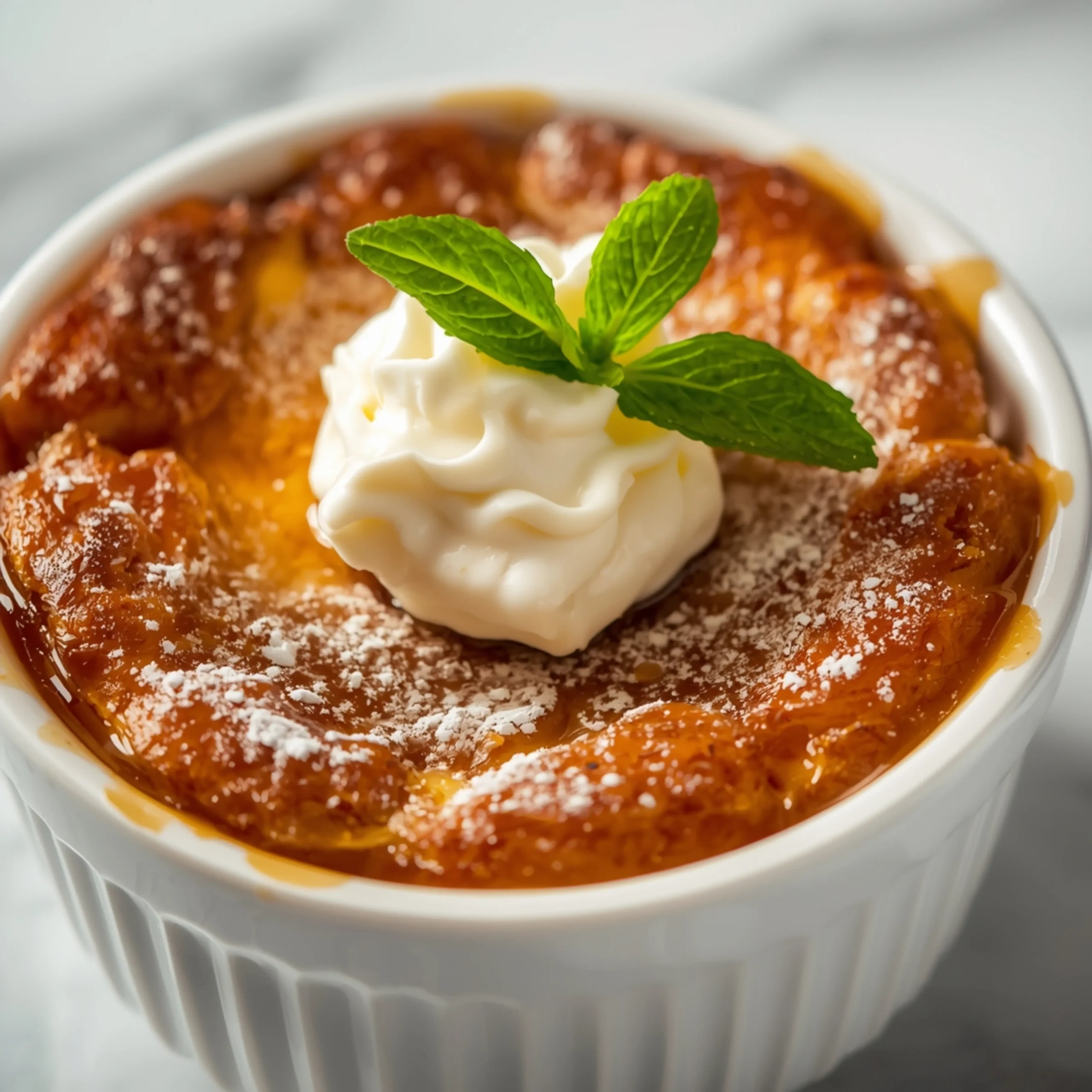
Rich Brown Butter & Nutmeg Bread Pudding: A Simple Guide
This isn’t your average bread pudding. We’re elevating a classic comfort food by infusing it with the nutty, toasted aroma of brown butter and the warm spice of fresh nutmeg. The result is a deeply flavorful, custard-soaked dessert that’s simple to execute and perfect for any occasion. For more show-stopping yet easy-to-make decadent desserts, this recipe is a great place to start.
The Flavor Blueprint: Why Brown Butter & Nutmeg?
The magic of this recipe lies in two key upgrades that work in perfect harmony. Understanding them is the first step to mastering the dish.
- Brown Butter (Beurre Noisette): This is not just melted butter. By gently cooking butter, we toast the milk solids, creating a complex, nutty, and slightly savory flavor. This depth cuts through the sweetness of the custard and adds a sophisticated, caramel-like note that regular melted butter can’t replicate.
- Freshly Grated Nutmeg: Pre-ground nutmeg loses its aromatic oils quickly. Grating a whole nutmeg seed right into your custard releases a potent, warm, and slightly sweet spice that is far superior. It complements the brown butter and dairy, creating a classic, cozy aroma and taste.
Choosing Your Bread: The Foundation of Great Pudding
The bread you choose is the skeleton of your pudding. The goal is a sturdy, dry bread that can soak up the custard without turning to complete mush.
- Best Choices:
- Brioche or Challah: These enriched breads are the gold standard. Their high fat and egg content adds richness and creates a wonderfully soft, custardy texture.
- French Bread or Baguette: A great, accessible option. Its firm crust and airy interior provide excellent structure.
- Key Requirement: Stale is Better. Day-old (or even two-day-old) bread is essential. Dry bread acts like a sponge. Fresh, moist bread is already saturated and will result in a soggy, dense pudding.
- Quick Staling Tip: If your bread is fresh, cut it into cubes, spread on a baking sheet, and bake at 300°F (150°C) for 10-15 minutes until lightly toasted and dry.
Custard Consistency: The Secret to a Perfect Texture
A great bread pudding is defined by its custard. The goal is a smooth, creamy texture that holds its shape but isn’t rubbery or scrambled.
- The Golden Ratio: Our recipe uses a balanced ratio of eggs to dairy (milk and cream). This ensures the custard sets properly without tasting overly “eggy.”
- Temper Your Eggs: This is critical. Do not pour hot milk directly into your eggs, or you’ll get sweet scrambled eggs. Slowly whisk a small amount of the warm milk mixture into the beaten eggs to gently raise their temperature. Then, you can safely combine the two.
- Don’t Over-soak: Let the bread soak for at least 20-30 minutes, but not much longer than an hour. This gives it enough time to absorb the custard without breaking down completely.
STEP-BY-STEP INSTRUCTIONS
Prep Time: 20 mins | Cook Time: 50 mins | Servings: 8
-
Phase 1: Preparation
Prepare Bread & Pan: Preheat your oven to 350°F (175°C). Grease a 9×13 inch baking dish (or a similar 3-quart dish) with butter. Spread the cubed, stale bread evenly in the dish.
-
Phase 2: Make the Brown Butter & Custard
Brown the Butter: In a small saucepan over medium heat, melt the unsalted butter. Continue cooking, swirling the pan occasionally, for 5-8 minutes. The butter will foam, then subside. Watch for golden-brown milk solids to form at the bottom and a nutty aroma. Immediately remove from heat and pour into a large mixing bowl to stop the cooking process.
-
Warm the Dairy: In the same saucepan, combine the whole milk, heavy cream, granulated sugar, brown sugar, and salt. Warm over medium heat, stirring until the sugar is fully dissolved. Do not boil.
-
Temper & Combine: In a separate medium bowl, whisk the eggs and egg yolks until smooth. Very slowly, pour about one cup of the warm milk mixture into the eggs while whisking constantly. This is tempering.
-
Finish the Custard: Pour the tempered egg mixture back into the saucepan with the remaining milk. Add the vanilla extract and freshly grated nutmeg. Whisk to combine.
-
Phase 3: Assemble & Bake
Soak the Bread: Pour the finished custard over the bread cubes in the baking dish. Gently press the bread down to ensure it’s fully submerged. Let it sit for 20-30 minutes to allow the bread to absorb the liquid.
-
Bake: Bake for 45-55 minutes, or until the center is set (a knife inserted comes out clean) and the top is golden brown and puffed.
-
Rest: Let the bread pudding rest for at least 15 minutes before serving. This allows the custard to finish setting.
Toppings & Variations: Customize Your Creation
This bread pudding is a fantastic base for creativity. You can serve it as a comforting dessert or even a decadent holiday brunch item alongside other special breakfast recipes.
- Classic Sauces:
- Caramel or Butterscotch Sauce: Drizzle generously over the warm pudding.
- Bourbon Cream Sauce: A splash of bourbon adds a wonderful warming note that complements the nutmeg.
- Texture & Toppings:
- Toasted Nuts: Pecans or walnuts add a welcome crunch.
- Whipped Cream or Ice Cream: A scoop of vanilla bean ice cream is a classic pairing.
- Flavor Twists:
- Add-ins: Mix in a ½ cup of raisins, dried cranberries, or chocolate chips with the bread before pouring the custard.
- Spice it Up: Add a pinch of cinnamon or cardamom along with the nutmeg.
After enjoying a rich and savory main course, like a decadent creamy alfredo lasagna soup, a warm, spiced dessert like this is the perfect comforting finish.
COMMON MISTAKES TO AVOID
- Mistake: Using fresh bread.
- Fix: Always use stale, dry bread. If your bread is fresh, toast the cubes in the oven for 10-15 minutes at 300°F (150°C) to dry them out before using. This prevents a soggy, dense final product.
- Mistake: Burning the butter.
- Fix: Brown butter can go from perfectly nutty to burnt in seconds. As soon as you see golden-brown specks and smell the nutty aroma, immediately pour it into a separate bowl to stop the cooking process.
- Mistake: A watery or curdled custard.
- Fix: This happens from underbaking or not tempering the eggs properly. Ensure you slowly whisk the hot liquid into the eggs. Bake until a knife inserted in the center comes out clean with no liquid custard.
FAQ
Q: Can I make Brown Butter Bread Pudding ahead of time?
A: Yes. You can assemble the entire dish (without baking), cover it tightly, and refrigerate for up to 24 hours. Let it sit at room temperature for 30 minutes before baking. You may need to add 5-10 minutes to the bake time.
Q: What can I substitute for brioche or challah bread?
A: A sturdy, day-old French baguette or even a simple white sandwich bread will work well. The key is that the bread must be dry and stale to properly absorb the custard.
Q: Can I make this dairy-free?
A: You can try, but the results will differ significantly. Use a high-fat, full-fat plant-based milk (like canned coconut milk or oat milk) and a vegan butter alternative. The texture will be less rich and creamy than the original.
For more unique and comforting recipe ideas, it’s always interesting to see how classic concepts are transformed, like in this inventive Mac and Cheese Soup.
NUTRITIONAL SNAPSHOT
| Nutrient | Amount per Serving |
|---|---|
| Calories | 410 kcal |
| Protein | 9g |
| Fat | 22g |
| Net Carbs | 43g |
| Fiber | 1g |
| Sugar | 28g |
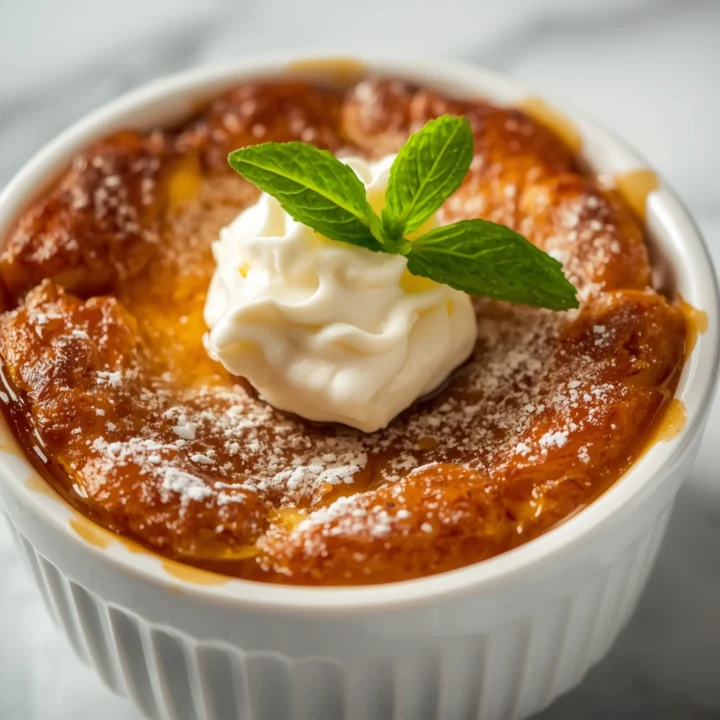
Rich Brown Butter & Nutmeg Bread Pudding: A Simple Guide
This isn't your average bread pudding. We're elevating a classic comfort food by infusing it with the nutty, toasted aroma of brown butter and the warm spice of fresh nutmeg. The result is a deeply flavorful, custard-soaked dessert that's simple to execute and perfect for any occasion.
Ingredients
- 1 loaf (1 lb) stale challah or brioche bread, cut into 1-inch cubes (about 8-9 cups)
- ½ cup (1 stick) unsalted butter
- 2 cups whole milk
- 1 cup heavy cream
- ¾ cup granulated sugar
- ¼ cup packed light brown sugar
- ½ tsp salt
- 3 large eggs
- 2 large egg yolks
- 2 tsp vanilla extract
- 1 tsp freshly grated nutmeg
Instructions
- Preheat your oven to 350°F (175°C). Grease a 9x13 inch baking dish (or a similar 3-quart dish) with butter. Spread the cubed, stale bread evenly in the dish.
- In a small saucepan over medium heat, melt the unsalted butter. Continue cooking, swirling the pan occasionally, for 5-8 minutes. The butter will foam, then subside. Watch for golden-brown milk solids to form at the bottom and a nutty aroma. Immediately remove from heat and pour into a large mixing bowl to stop the cooking process.
- In the same saucepan, combine the whole milk, heavy cream, granulated sugar, brown sugar, and salt. Warm over medium heat, stirring until the sugar is fully dissolved. Do not boil.
- In a separate medium bowl, whisk the eggs and egg yolks until smooth. Very slowly, pour about one cup of the warm milk mixture into the eggs while whisking constantly. This is tempering.
- Pour the tempered egg mixture back into the saucepan with the remaining milk. Add the vanilla extract and freshly grated nutmeg. Whisk to combine.
- Pour the finished custard over the bread cubes in the baking dish. Gently press the bread down to ensure it's fully submerged. Let it sit for 20-30 minutes to allow the bread to absorb the liquid.
- Bake for 45-55 minutes, or until the center is set (a knife inserted comes out clean) and the top is golden brown and puffed.
- Let the bread pudding rest for at least 15 minutes before serving. This allows the custard to finish setting.