

How to Make Perfect Candied Orange Peel (No-Fail Method)
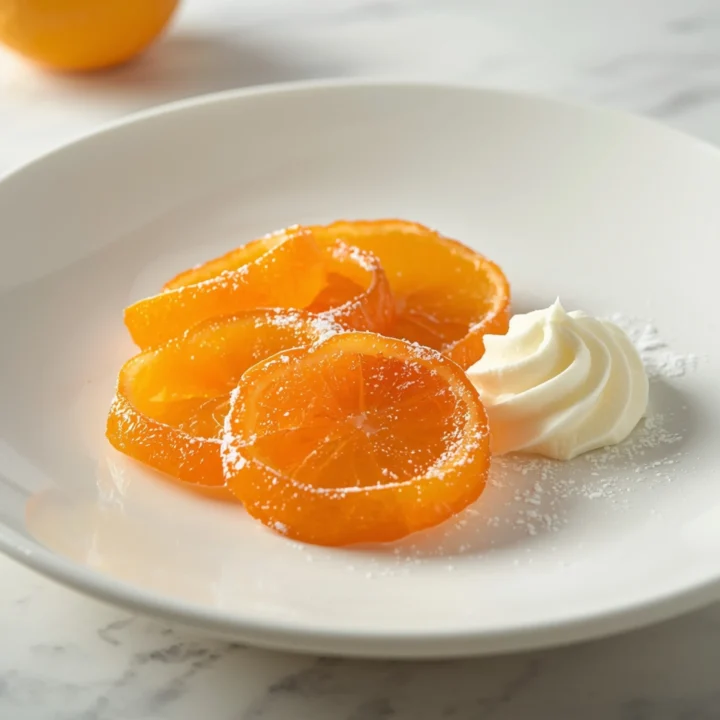
Turn citrus scraps into a gourmet treat with this foolproof method for candied orange peel. These sweet, chewy, jewel-like strips are a brilliant way to reduce kitchen waste and elevate countless desserts. This recipe works because it uses a simple blanching process to remove bitterness, resulting in a perfectly balanced sweet-citrus flavor every time.
Why This Method Is Foolproof
Success with candied peel comes down to two key stages: removing bitterness and perfectly infusing sugar. This recipe tackles both head-on.
- The Blanching Process: Boiling the peels in fresh water multiple times (we’ll do it three times) is non-negotiable. This process purges the intensely bitter compounds from the white pith, leaving behind only the pleasant, aromatic citrus notes.
- The Slow Simmer: By gently simmering the blanched peels in a sugar syrup, you’re not just coating them—you’re replacing the water content within the peel’s cell structure with sugar. This is what preserves them and creates that signature chewy, tender texture. Rushing this step with a hard boil can make the peels tough.
Essential Gear & Ingredients
You don’t need fancy equipment. The key is using the right type of orange.
Ingredients:
- Oranges: Thick-skinned oranges are best. Navel, Valencia, or Jaffa oranges provide a substantial peel that holds its texture. Organic is ideal, as you’re consuming the peel.
- Sugar: Standard granulated white sugar is all you need for both the syrup and the final coating.
- Water: Filtered water is best for a clean taste.
Tools:
- Sharp Paring Knife: For scoring and peeling.
- Spoon: For scraping excess pith.
- Medium Saucepan: For blanching and candying.
- Slotted Spoon or Spider Strainer: For transferring peels.
- Wire Rack: Crucial for air-drying the finished peels.
- Parchment Paper: To place under the wire rack for easy cleanup.
Step-by-Step Candied Orange Peel
Prep Time: 20 minutes
Cook Time: 1 hour 15 minutes
Drying Time: 4-8 hours
- Step 1: Prepare the Oranges
Wash and dry two large, thick-skinned oranges thoroughly. Using a sharp knife, score the peel into quarters from top to bottom, cutting just through the peel and pith, not into the fruit. Carefully peel the quarters off the orange. You can save the fruit for another use. - Step 2: Cut the Peels
Lay the peel sections flat on a cutting board. Trim any ragged edges. Slice the peels lengthwise into uniform ¼-inch strips. Uniformity is key for even cooking. - Step 3: The First Blanch (Bitterness Removal)
Place the peel strips in a medium saucepan and cover them with cold water. Bring to a boil over high heat. Once boiling, immediately drain the peels in a colander. - Step 4: Repeat the Blanch
Repeat the process two more times: place peels back in the pot, cover with fresh cold water, bring to a boil, and drain. This three-step blanching is the secret to removing all bitterness. After the final drain, set the peels aside. - Step 5: Make the Sugar Syrup
In the same saucepan, combine 2 cups of granulated sugar and 2 cups of water. Bring to a simmer over medium heat, stirring until the sugar has completely dissolved. - Step 6: Candy the Peels
Add the blanched orange peels to the sugar syrup. Reduce the heat to low, ensuring the syrup is at a gentle simmer, not a rolling boil. Cook for 60-75 minutes, stirring occasionally, until the peels are translucent and tender. - Step 7: The First Drying Stage
Using a slotted spoon, carefully remove the peels from the syrup and arrange them in a single layer on a wire rack set over a sheet of parchment paper. Reserve the orange-infused syrup! It’s a delicious bonus for cocktails or desserts. Let the peels dry on the rack for at least 4-8 hours, or overnight, until they are tacky but not wet. - Step 8: The Final Sugar Coating
Pour about ½ cup of fresh granulated sugar into a shallow bowl. Toss a few of the dried peels in the sugar at a time, ensuring they are evenly coated. Shake off any excess sugar. - Step 9: Final Cure
Place the sugar-coated peels back on the wire rack to dry for another 1-2 hours to allow the coating to set. Once fully dry, they are ready to be stored or used.
Creative Ways to Use Your Candied Peel
This is where the fun begins. Candied orange peel is incredibly versatile and adds a professional touch to home cooking.
- Baking Powerhouse: Finely chop the peels and fold them into scone dough, muffin batter, or homemade granola for bright citrus bursts. They are a fantastic addition to many breakfast recipes.
- Elegant Garnish: Use whole strips to garnish cocktails (especially an Old Fashioned or Negroni), top chocolate mousse, or decorate cakes and tarts.
- Chocolate-Dipped Decadence: Melt high-quality dark chocolate (60-70% cacao is ideal). Dip half of each candied peel strip into the chocolate, let the excess drip off, and place on a parchment-lined tray to set in the refrigerator.
- Flavor Infusions: Drop a few strips into a bottle of vodka or a jar of sugar to create orange-infused spirits or finishing sugar.
- Savory Pairings: While fantastic in sweets, finely diced candied peel can also balance rich, savory dishes. A small amount can add a surprising brightness when stirred into a pan sauce for duck or pork. It offers a sophisticated contrast to dishes like this sun-dried tomato chicken pasta recipe.
COMMON MISTAKES TO AVOID
-
Mistake: The finished peels are unpleasantly bitter.
- Fix: You likely skipped or rushed the blanching process. The triple-blanching step is essential for purging the bitter compounds from the pith. Don’t skip it.
-
Mistake: The sugar syrup crystallized and became grainy.
- Fix: This happens when sugar crystals form on the side of the pot. Avoid over-stirring once the sugar has dissolved. If you see crystals forming, use a wet pastry brush to wipe them down from the inside of the pan.
-
Mistake: My candied peels are wet and sticky, not properly dried.
- Fix: Patience is key. The peels need adequate air circulation and time to dry before the final sugar coating. Ensure they are in a single layer on a wire rack and give them the full 4-8 hours (or more, if your kitchen is humid).
FAQ
Q: How long does candied orange peel last?
A: When stored properly in an airtight container at room temperature, it will last for at least a month. For longer storage (up to 6 months), you can refrigerate it, but be aware that moisture can make the sugar coating weep slightly.
Q: Can I use this recipe for other citrus fruits?
A: Absolutely. This method works beautifully for lemons, limes, and grapefruit. Just be mindful that cooking times may vary slightly based on the thickness of the peel.
Q: Why did my peels turn out tough instead of tender?
A: This is almost always caused by boiling the peels too vigorously in the sugar syrup. The process must be a gentle, low simmer. A hard boil will cook the water out too quickly and toughen the peel’s structure.
Once you’ve mastered turning kitchen scraps into this delicious confection, you might be inspired to try other rewarding recipes. For a savory project, many home cooks enjoy learning to make dishes like Slow Cooker Korean Beef Noodles or a hearty sweet potato breakfast hash for a weekend brunch.
NUTRITIONAL SNAPSHOT
| Nutrient | Amount per Serving |
|---|---|
| Calories | 75 |
| Protein | 0.2g |
| Fat | 0g |
| Net Carbs | 19g |
| Fiber | 0.5g |
| Sugar | 18g |
Estimates are for a 20g serving (approx. 3-4 strips).
How to Make Perfect Candied Orange Peel (No-Fail Method)
Turn citrus scraps into a gourmet treat with this foolproof method for candied orange peel. These sweet, chewy, jewel-like strips are a brilliant way to reduce kitchen waste and elevate countless desserts. This recipe works because it uses a simple blanching process to remove bitterness, resulting in a perfectly balanced sweet-citrus flavor every time.
Ingredients
- 2 large thick-skinned oranges
- 2.5 cups granulated sugar, divided
- Water
Instructions
- Wash and dry two large, thick-skinned oranges thoroughly. Using a sharp knife, score the peel into quarters from top to bottom, cutting just through the peel and pith, not into the fruit. Carefully peel the quarters off the orange. You can save the fruit for another use.
- Lay the peel sections flat on a cutting board. Trim any ragged edges. Slice the peels lengthwise into uniform ¼-inch strips. Uniformity is key for even cooking.
- Place the peel strips in a medium saucepan and cover them with cold water. Bring to a boil over high heat. Once boiling, immediately drain the peels in a colander.
- Repeat the process two more times: place peels back in the pot, cover with fresh cold water, bring to a boil, and drain. This three-step blanching is the secret to removing all bitterness. After the final drain, set the peels aside.
- In the same saucepan, combine 2 cups of granulated sugar and 2 cups of water. Bring to a simmer over medium heat, stirring until the sugar has completely dissolved.
- Add the blanched orange peels to the sugar syrup. Reduce the heat to low, ensuring the syrup is at a gentle simmer, not a rolling boil. Cook for 60-75 minutes, stirring occasionally, until the peels are translucent and tender.
- Using a slotted spoon, carefully remove the peels from the syrup and arrange them in a single layer on a wire rack set over a sheet of parchment paper. Reserve the orange-infused syrup! It’s a delicious bonus for cocktails or desserts. Let the peels dry on the rack for at least 4-8 hours, or overnight, until they are tacky but not wet.
- Pour about ½ cup of fresh granulated sugar into a shallow bowl. Toss a few of the dried peels in the sugar at a time, ensuring they are evenly coated. Shake off any excess sugar.
- Place the sugar-coated peels back on the wire rack to dry for another 1-2 hours to allow the coating to set. Once fully dry, they are ready to be stored or used.