
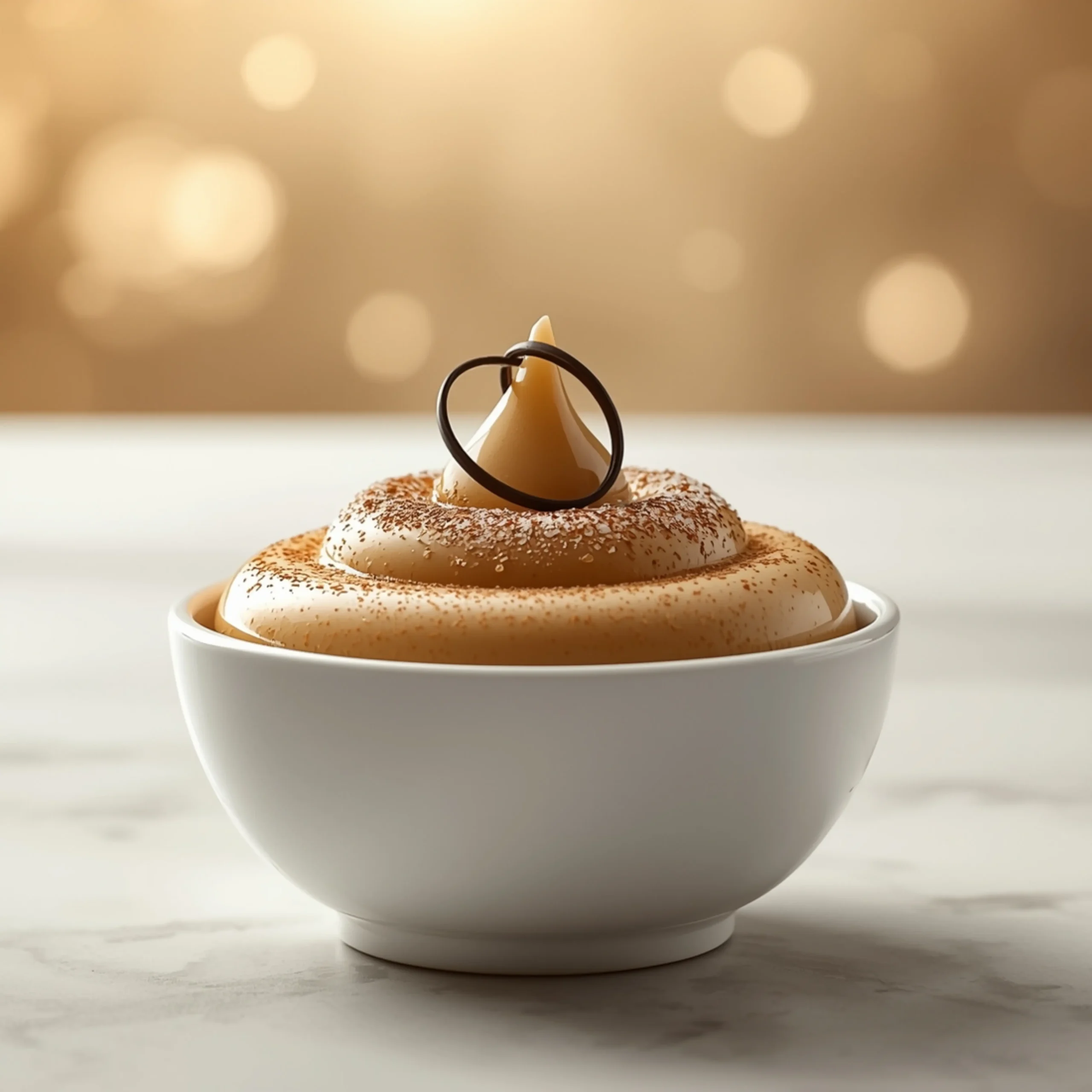
Rich & Silky Coffee Pastry Cream Recipe
This Coffee-Infused Pastry Cream is a game-changer, transforming simple baked goods with its velvety texture and deep espresso flavor. It’s an essential building block in our collection of versatile recipes and the secret weapon behind many of our favorite desserts. Get ready to create a filling that rivals any professional bakery.
The Coffee Component: Choosing Your Flavor Engine
The quality of your coffee flavor is paramount. You have three primary methods to infuse that rich, aromatic profile into your cream.
-
Instant Espresso Powder (Fastest & Easiest): This is the most direct route. It dissolves completely into the milk, providing a strong, consistent coffee flavor without adding extra liquid.
- Pro: Intense, predictable flavor. No straining needed.
- Con: Can taste slightly harsh if you use a low-quality powder.
-
Whole Coffee Beans (Most Aromatic): Steeping whole beans in the warm milk extracts a nuanced, complex, and incredibly aromatic coffee flavor.
- Pro: The most sophisticated and fragrant result.
- Con: Requires an extra step of steeping and straining.
-
Strongly Brewed Coffee/Espresso (Good in a Pinch): You can replace a portion of the milk with very strong coffee.
- Pro: Uses coffee you already have on hand.
- Con: Can alter the cream’s final texture and richness due to the lower fat content of coffee vs. milk. This is the least recommended method for stability.
Engineering a Lump-Free Pastry Cream
The difference between silky pastry cream and a lumpy, scrambled mess comes down to technique. Here’s the engineering behind a perfect texture.
- The Slurry: Whisking cornstarch and sugar with the egg yolks *before* introducing liquid is critical. This coats the starch granules, preventing them from clumping together when the hot milk is added.
- Tempering: This is the slow, gradual introduction of a hot liquid (the coffee-milk mixture) to a cold one (the egg yolks). Pouring all the hot milk in at once would instantly cook and scramble the eggs. By adding it slowly while whisking vigorously, you gently raise the eggs’ temperature, ensuring a smooth, integrated custard.
- The Sieve: This is your non-negotiable quality control step. Pouring the finished, hot pastry cream through a fine-mesh sieve guarantees a perfectly smooth final product. It catches any potential bits of overcooked egg or undissolved cornstarch.
Essential Tools for Pastry Cream Success
You don’t need fancy equipment, just the right tools for the job.
- Medium Saucepan: Heavy-bottomed is best to prevent scorching.
- Whisk: A flexible balloon whisk is ideal for reaching the corners of the pan.
- Mixing Bowls: At least two for separating components.
- Fine-Mesh Sieve: Absolutely essential for a silky-smooth texture.
- Shallow Dish or Baking Pan: For rapid cooling.
- Plastic Wrap: For preventing a skin from forming.
STEP-BY-STEP INSTRUCTIONS
- Infuse the Milk: In a medium, heavy-bottomed saucepan, combine the whole milk and instant espresso powder. Heat over medium heat, whisking occasionally, until it’s steaming and small bubbles form around the edges. Do not let it come to a rolling boil. (If using whole beans, add them here, bring to a simmer, turn off heat, cover, and let steep for 30 minutes before straining).
- Prepare the Egg Base: While the milk heats, in a separate medium bowl, vigorously whisk together the egg yolks, granulated sugar, cornstarch, and salt. Continue whisking for about 1-2 minutes until the mixture is pale yellow, thick, and ribbony.
- Temper the Eggs: Very slowly, pour about half a cup of the hot coffee-milk mixture into the egg yolk base, whisking constantly. This is the tempering step. Once incorporated, slowly pour the now-warmed egg mixture back into the saucepan with the remaining milk, still whisking.
- Thicken the Cream: Return the saucepan to medium heat. Whisk constantly and thoroughly, scraping the bottom and corners of the pan. The mixture will begin to thicken. Once it comes to a bubble, continue to cook and whisk for a full 60-90 seconds to neutralize the starch’s enzyme and ensure a thick set. The cream should be very thick, like pudding.
- Finish Off-Heat: Immediately remove the pan from the heat. Add the unsalted butter and vanilla extract, whisking until the butter is completely melted and the cream is glossy and smooth.
- Strain for Perfection: Pour the hot pastry cream through a fine-mesh sieve into a clean, shallow dish or bowl. This final step guarantees a perfectly silky texture.
- Chill Properly: Press a piece of plastic wrap directly onto the entire surface of the cream. This prevents a skin from forming. Refrigerate for at least 4 hours, or until completely cold and firm. Before using, give it a vigorous whisk to loosen it into a smooth, pipeable consistency.
Applications & Flavor Pairings
This coffee pastry cream is incredibly versatile. Use it as a luxurious filling or a sophisticated dessert component.
- Classic Fillings: Perfect for eclairs, cream puffs, donuts, and cannoli.
- Tarts & Pies: A fantastic base for a fruit tart (especially with berries or figs) or a chocolate tart.
- Layered Desserts: Use it in trifles, parfaits, or as a cake filling.
- Morning Pastries: Elevate your weekend with coffee-filled crêpes or croissants. It turns simple breakfast treats into something truly special.
The rich coffee notes pair beautifully with chocolate, caramel, toasted nuts (almonds, hazelnuts), cinnamon, and dark berries. The flavor is a wonderful finish to a savory meal; imagine serving a dessert with this cream after a bold main course like a crispy bang bang chicken.
COMMON MISTAKES TO AVOID
-
Mistake: Scrambled eggs in your cream.
Fix: Temper your eggs properly. Add the hot milk to the yolks *very* slowly at first, while whisking constantly. Don’t dump it all in at once.
-
Mistake: A grainy or starchy taste.
Fix: You didn’t cook the cream long enough. Once it starts bubbling, you must continue whisking over the heat for at least a full minute to cook out the cornstarch flavor.
-
Mistake: Runny pastry cream that never sets.
Fix: The mixture didn’t get hot enough to activate the cornstarch. You must bring it to a gentle boil (a few bubbles breaking the surface) and hold it there for that crucial 60-90 seconds.
FAQ
Q: How long can I store coffee pastry cream?
A: Stored in an airtight container with plastic wrap on the surface, it will last in the refrigerator for up to 3 days. It is not recommended for freezing, as it can separate upon thawing.
Q: Can I use decaf coffee?
A: Absolutely. The process is identical. Use high-quality decaf espresso powder or beans for the best flavor.
Q: Why did a thick skin form on top of my pastry cream?
A: You didn’t cover the surface directly with plastic wrap. As the cream cools, evaporation from the hot surface forms a skin. Pressing plastic wrap directly onto it prevents any air contact.
For more inspiration, consider how this dessert could follow a wide range of meals. Planning a dinner party starting with appetizers like ham and cheese sticks and featuring a vegetable side like cranberry-glazed roasted butternut squash can create a wonderfully balanced menu.
NUTRITIONAL SNAPSHOT
| Nutrient | Amount per Serving |
|---|---|
| Calories | 215 kcal |
| Protein | 4g |
| Fat | 13g |
| Net Carbs | 20g |
| Fiber | 0g |
| Sugar | 16g |

Rich & Silky Coffee Pastry Cream Recipe
This Coffee-Infused Pastry Cream is a game-changer, transforming simple baked goods with its velvety texture and deep espresso flavor. It’s an essential building block in our collection of versatile recipes and the secret weapon behind many of our favorite desserts. Get ready to create a filling that rivals any professional bakery.
Ingredients
- 2 cups (480ml) whole milk
- 2 tablespoons instant espresso powder
- 6 large egg yolks
- 2/3 cup (133g) granulated sugar
- 1/4 cup (32g) cornstarch
- 1/4 teaspoon salt
- 2 tablespoons (28g) unsalted butter, cold and cubed
- 1 teaspoon vanilla extract
Instructions
- Infuse the Milk: In a medium, heavy-bottomed saucepan, combine the whole milk and instant espresso powder. Heat over medium heat, whisking occasionally, until it's steaming and small bubbles form around the edges. Do not let it come to a rolling boil. (If using whole beans, add them here, bring to a simmer, turn off heat, cover, and let steep for 30 minutes before straining).
- Prepare the Egg Base: While the milk heats, in a separate medium bowl, vigorously whisk together the egg yolks, granulated sugar, cornstarch, and salt. Continue whisking for about 1-2 minutes until the mixture is pale yellow, thick, and ribbony.
- Temper the Eggs: Very slowly, pour about half a cup of the hot coffee-milk mixture into the egg yolk base, whisking constantly. This is the tempering step. Once incorporated, slowly pour the now-warmed egg mixture back into the saucepan with the remaining milk, still whisking.
- Thicken the Cream: Return the saucepan to medium heat. Whisk constantly and thoroughly, scraping the bottom and corners of the pan. The mixture will begin to thicken. Once it comes to a bubble, continue to cook and whisk for a full 60-90 seconds to neutralize the starch's enzyme and ensure a thick set. The cream should be very thick, like pudding.
- Finish Off-Heat: Immediately remove the pan from the heat. Add the unsalted butter and vanilla extract, whisking until the butter is completely melted and the cream is glossy and smooth.
- Strain for Perfection: Pour the hot pastry cream through a fine-mesh sieve into a clean, shallow dish or bowl. This final step guarantees a perfectly silky texture.
- Chill Properly: Press a piece of plastic wrap directly onto the entire surface of the cream. This prevents a skin from forming. Refrigerate for at least 4 hours, or until completely cold and firm. Before using, give it a vigorous whisk to loosen it into a smooth, pipeable consistency.